
Science Photo Library/Getty Images

Audio By Carbonatix
Spring means beautiful flowers, fragrant lilacs – and lots of tree pollen coating cars and setting off sneezing, wheezing and headaches.
As an allergist and immunologist at the University of Colorado School of Medicine, I help patients with seasonal allergies and associated allergic diseases manage their conditions, and one question comes up year in and out: Will this season be worse than last year?
With a record warm start to spring 2026 in much of the U.S., the answer is a teary-eyed “yes.”
What Are Allergies?
More than one in four U.S. adults suffer from seasonal allergies. That number is expected to increase as climate change results in longer and more intense pollen seasons.
When someone talks about having allergies, they are referring to a condition called allergic rhinitis or allergic conjunctivitis – inflammation of the nose or eyes related to allergen exposure. This results in itchy, watery eyes, runny nose, sneezing, congestion and nasal passage itching. They show up when allergens are in the air, during spring, summer and fall.
The big driver of seasonal allergies is a protein in pollen. Pollen is the male reproductive material that plants release to spread their species.
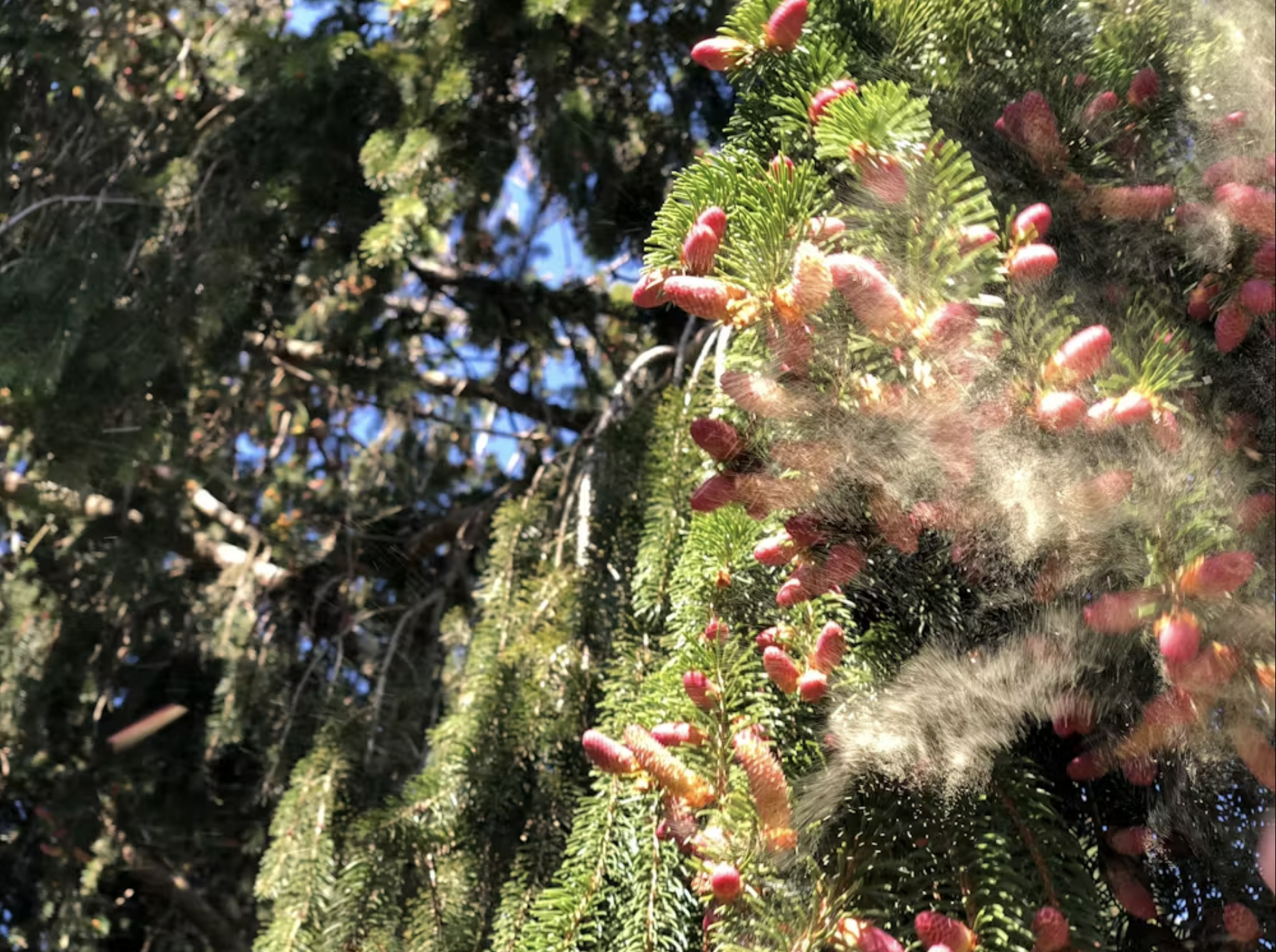
Famartin/Flickr, CC BY-SA
Those pollen proteins become problems when the immune system develops an allergic antibody known as IgE to these proteins. When several IgE molecules bind to the allergen when it lands on the tissues of the eye or nasal passages, the cells release molecules such as histamine, prostaglandins and leukotrienes. These molecules interact with blood vessels and nerves to trigger the symptoms that allergy sufferers know all too well.
Which Pollens Cause Allergy Symptoms?
Pollen season starts with the trees.
In late winter and early spring, trees begin releasing pollen in many places in the U.S. Not all trees follow this schedule – mountain cedars, or juniper trees, for example, can release clouds of yellow pollen from November through January in Texas, causing a condition known as cedar fever.
As the year progresses, grasses will emerge and their pollen will cause symptoms through most of the summer, typically April to July.
Then ragweed and other weeds release pollen that causes symptoms into the fall until a freeze stops their pollen production.
What Makes One pollen Season Worse Than Others?
Several factors can influence how bad a season can be when it comes to seasonal allergies. The two big ones are the length of the growing season and the amount of pollen in the air. Both are expanding.
Over the past several decades, as global temperatures have risen, the growing season has lengthened in many parts of North America. Once temperatures begin to be above about 40 degrees Fahrenheit (4 Celsius), trees will begin to emerge from dormancy.
That’s what the Western U.S. saw in 2026, as an unprecedented warm spring drove the early emergence of tree pollen. In some locations, growing season is two weeks longer on average than in the 1990s and more than four weeks longer than in the 1970s.
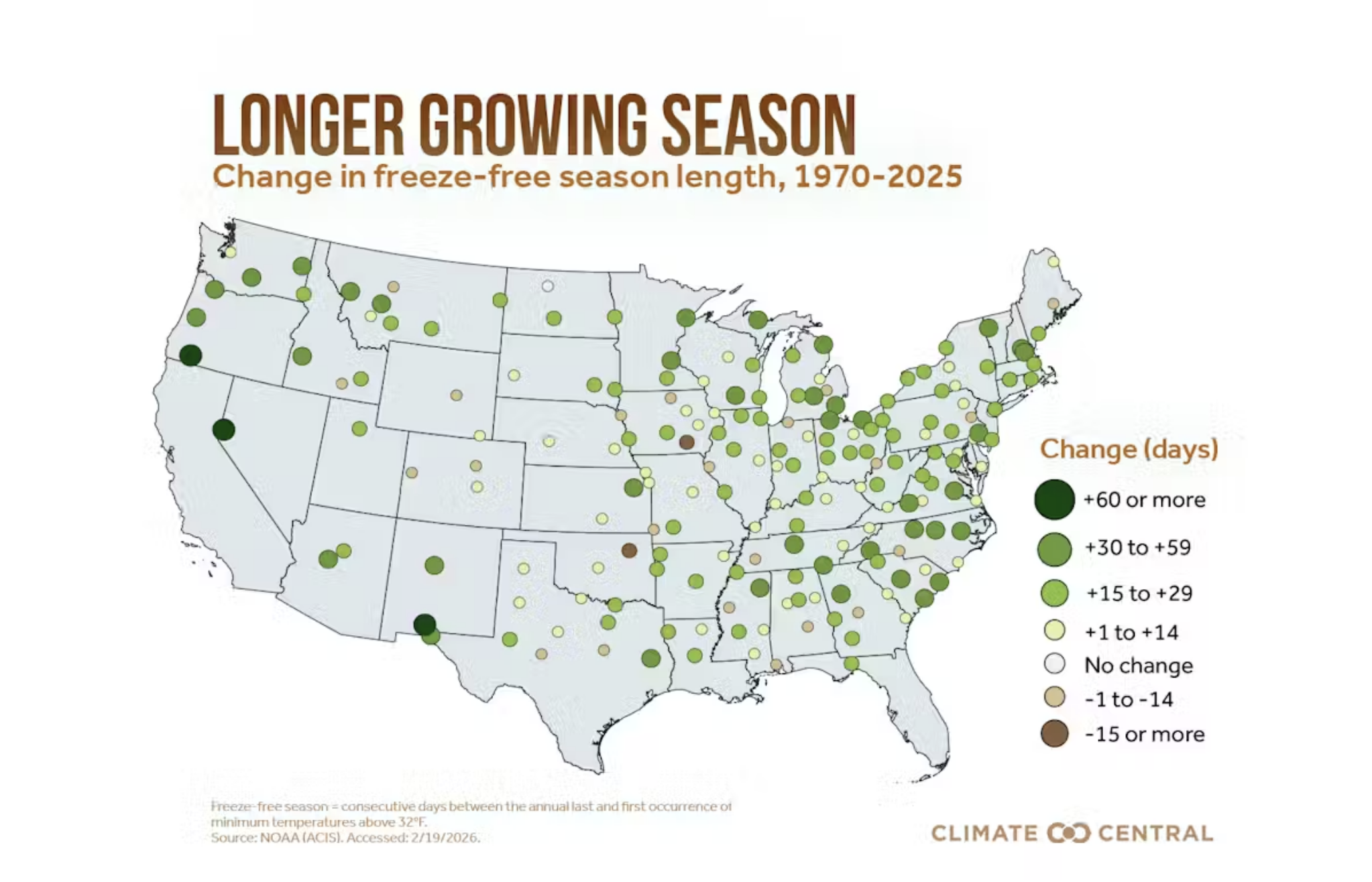
Climate Central, CC BY
Another factor driving pollen production is the increase in atmospheric carbon dioxide, largely from the burning of fossil fuels. Higher carbon dioxide levels increase plant growth, leading to longer pollination periods and more pollen produced by plants. With higher pollen counts, more people can develop symptoms. Consequently, I have been seeing more patients who are experiencing allergies for the first time.
Windy days can also blow pollen into the air and spread it over a wider area.
Rain and humidity can affect pollen counts as well. Rain can temporarily scrub pollen from the air. But humidity and moisture after the rain will result in ruptured pollen granules, resulting in pollen that is easier to carry on the wind and breathe in. This is particularly the case with grass pollen.
How Can You Avoid Allergy Symptoms?
There are many ways to manage allergy symptoms.
The first is to try to avoid the allergen by making changes in your home to reduce exposure. Keeping windows closed during the pollen season will reduce the amount of allergen that can enter your home. Wiping down pets with a damp towel can reduce the amount of allergens they bring in. Avoiding using clotheslines can reduce pollen levels on washed items.
Changing clothes or showering after being outdoors can reduce the amount of allergens that remain on you.
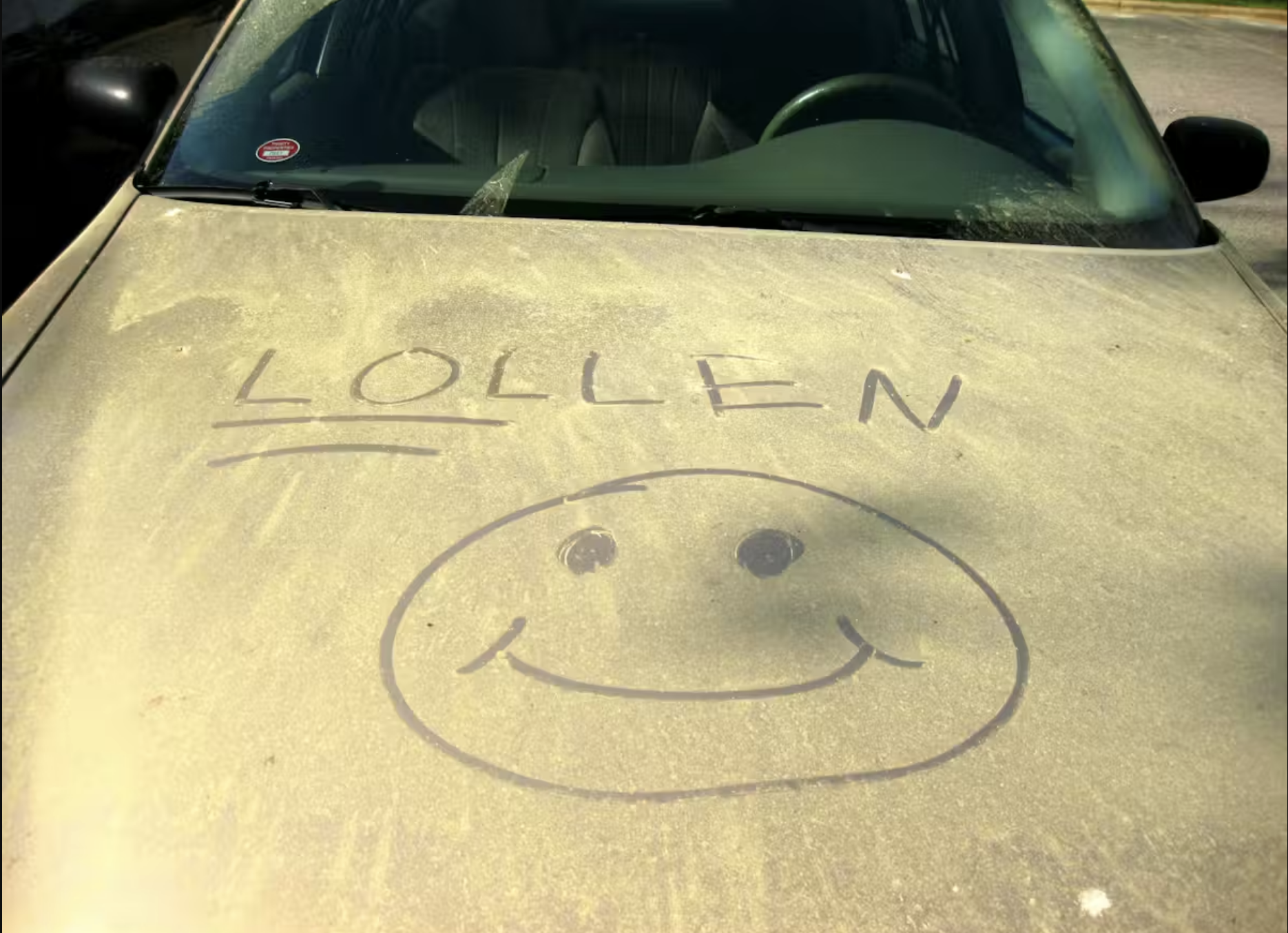
Scott Akerman/Flickr, CC BY
Using HEPA air purification in the home can reduce household allergen levels. Look for non-ionizing air purification; ionizing air filters can generate ozone, which worsens indoor air quality.
To know when allergens are getting worse outside, watch the pollen forecast from the National Allergy Bureau. As a general rule, pollen counts are highest in the morning. However, outdoor air pollutants can increase in the afternoon when pollution, including particulate matter (PM2.5) and ozone, reach peak levels in the midday and afternoon heat.
Do Medications Work?
Medications can help alleviate symptoms. A saline nasal rinse can reduce mucus and allergens inside the nasal passages. For mild symptoms, daily nonsedating, or second-generation, antihistamine can be effective.
Daily use of nasal steroids can be helpful for people with moderate to severe allergies, but they can take several weeks to reach peak effect. A nasal antihistamine spray can provide additional benefits.
Antihistamine eye drops can also be helpful. In a dry climate like Colorado’s, nasal dryness can contribute to congestion, so using nasal hydration such as saline sprays can ease symptoms.
If medications don’t help, you could speak with an allergist about the possibility of immunotherapy – allergy shots – but they require weekly and monthly shots over several years. While allergy shots are effective at reducing allergy symptoms and the need for medications, they do have side effects, such as local site reactions and asthma symptoms, and they may trigger a severe allergic reaction called anaphylaxis.
Allergies can be miserable but manageable – even in an overproductive year like much of America is seeing in 2026. Understanding what’s causing them and finding the right solutions for you can make it easier to enjoy those flowers and walks in the sunshine.
This article is republished from The Conversation under a Creative Commons license. Read the original article.