Courtesy of CAST

Audio By Carbonatix
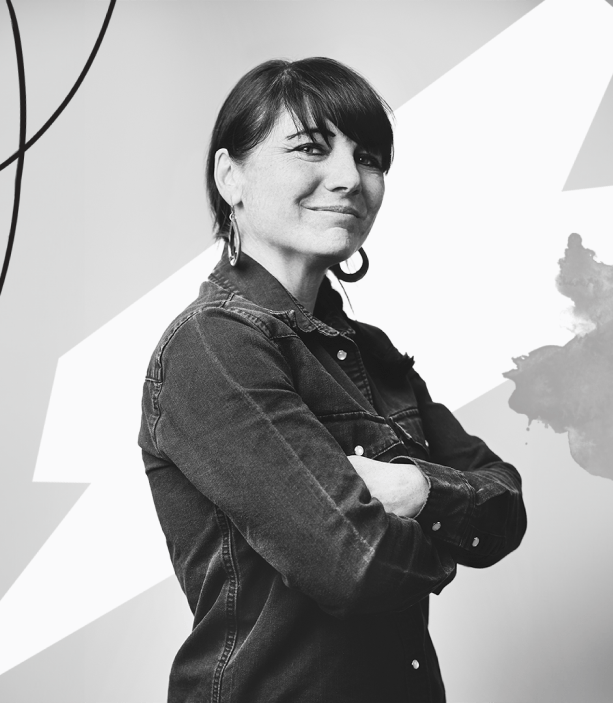
Every morning, Louise Martorano wakes up with one goal in mind: to help artists find affordable studio space and other resources so that they can stay in Colorado.
Martorano, who spent fifteen years at RedLine Contemporary Art Center — most of it as executive director — and spearheaded its Satellite Studio Program, an effort to help artists find affordable local studios, now spends her days continuing that work as the managing director of national programs for the Community Arts Stabilization Trust, a nonprofit real estate organization committed to helping artists and cultural workers stay anchored to where they create.
Founded in San Francisco in 2013, CAST’s expansion to Colorado last summer marked the agency’s first extension to another state; Martorano says the goal is to create a network of support in communities beyond Colorado and the Bay Area. In fact, CAST is already working with other locales, such as Seattle and New Mexico.
In Colorado, Martorano and her team have been able to secure an affordable housing project and studio space for artists in Trinidad, with plans in the works for another location in Denver.
It Might Not Be Sexy, But It Is Important
It’s impossible to pin down what a typical day looks like for Martorano, because every day is vastly different — whether it’s conversations around acquisition, providing technical assistance or connecting nonprofits and art collectives with legal, financial or real estate resources.
“I know it’s not the sexiest side of the ecosystem,” Martorano laughs. “But the infrastructure that artists require to make the work so that the museums and the galleries and other infrastructures of support can exist is crucial.”
And it’s a mission she deeply believes in, too. “I really do feel like we will all suffer if we don’t support our creative ecosystem,” she says. “There’s not a subject matter that I didn’t see artists consider during my time at RedLine. They were constantly interrogating the social challenges of our world and putting them on the agenda. To not give them an affordable space to do that and iterate on some of the biggest challenges for us to reconsider and rethink our perspective…I could no longer sit with that possibility, that artists wouldn’t have a space to be, or a place to land or connect.”
Courtesy of Louise Martorano
Over her fifteen years at RedLine, Martorano watched residency applications go from 34 to over 300. “I was having an existential concern that artists would just leave because it is not affordable to live and work as an artist,” she says. That’s why she started the Satellite Studio Program at RedLine in 2019, to help connect local artists with affordable studios, but she says the effort became “a whole other organization on its own.”
Part of the transition from her role at RedLine was to reassign those Satellite Studio spaces to CAST — RedLine still has its residency program, but the satellite studios are now under CAST — and she says the two organizations collaborate to help artists find places to land before or after their residencies, as they look for affordable studio space. “Whether they come to CAST or RedLine, hopefully based on their need, they’ll be directed accordingly, and beyond,” Martorano says.
Colorado Projects
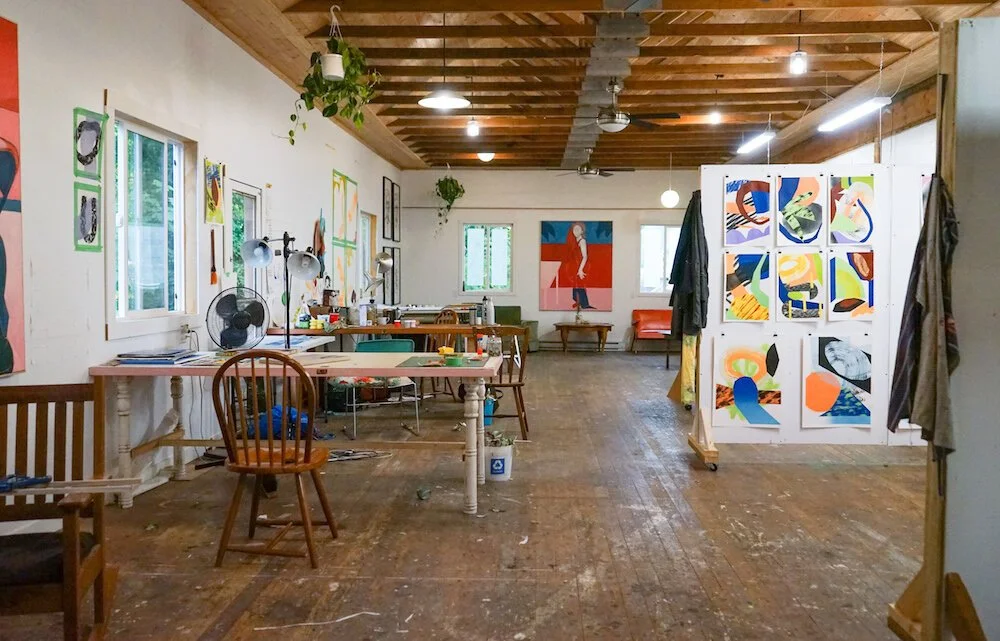
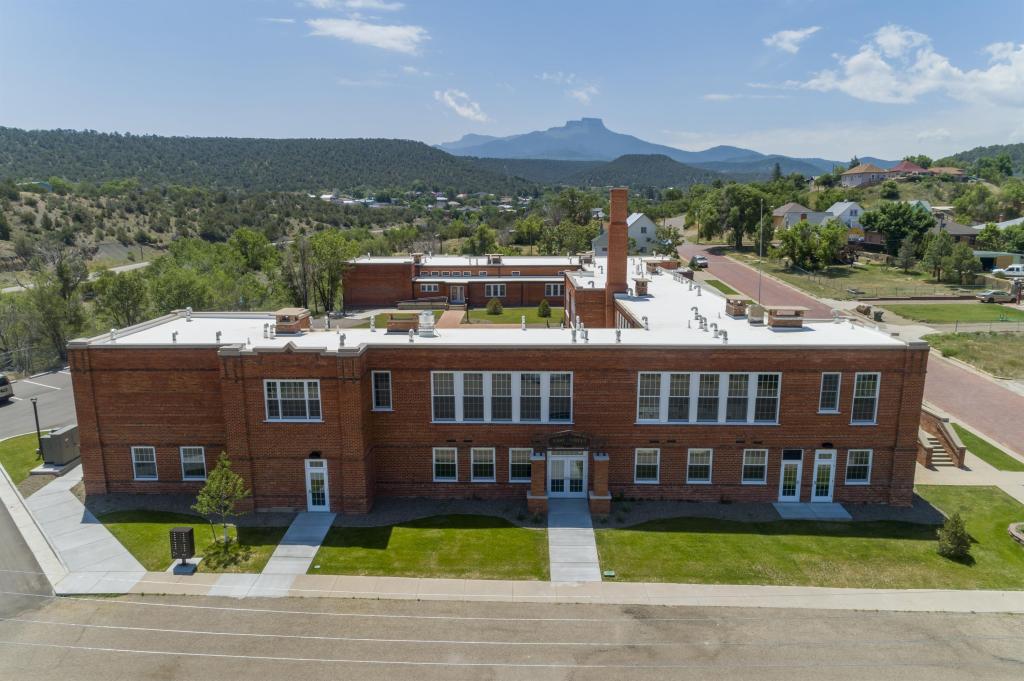
And a lot more options are starting to open up for Colorado artists thanks to CAST’s efforts. In January, CAST secured a $1.9 million award from the Colorado Health Foundation to acquire its first affordable housing project in Trinidad: The East Street School is a 23,000-square-foot former school building that has been transformed into a live/work space for thirteen artists, plus four additional studios for artists who may live in Trinidad but don’t live at the East Street School.
Dana Crawford, the late developer and preservationist, had initially bought the empty building with the intention of turning it into live/work space, strategizing with artist and Drop City alum Clark Richert (who’s also now deceased); both encouraged Martorano to get involved.
“I had been working on that project as initially kind of a property management role while I was still at RedLine through the invitation of Dana Crawford and Clark Richert, who was a former resource artist at RedLine,” Martorano says, adding that Richert wanted to see the history around artists and art collectives — like Drop City — in the area be revisited. “He really had hope that we would be involved to ensure that artists would always be included in the vision and planning with community in the space, and after a year process and working with the Colorado Health Foundation, we were able to secure that place permanently.”
This summer, Colorado Creative Industries will host a summit at the East Street School, showing just what can be done to provide spaces for artists.
Courtesy of CAST
Meanwhile, CAST is looking to Denver’s Downtown Development Authority for help in purchasing a building that will become home to six artist studios, a micro cinema, affordable artist storage and a gallery. According to Martorano, CAST is collaborating with a film and video nonprofit on the project; while film will be the spirit of the space, other art mediums will be welcome, too.
“The anchor organization creates a meaningful and intentional invitation to engage, but the hope is that it provides a wonderful invitation to learn more about artists in the community through this asset-matching process,” she says.
CAST has also been in conversation with Englewood’s Downtown Development Authority and the City of Englewood regarding a three-phase project that will introduce affordable gallery and art space, as well as music studios, in downtown Englewood. “We’re hoping to see a wonderful response that Englewood DDA is supporting for the tenant improvements needed to transform those existing formerly office spaces into music rehearsal studios for musicians in Englewood,” she says.
Working in the nonprofit sector and trying to make it as an artist is hard, Martorano says. She and her team all come from arts backgrounds, so they have that understanding when they work with artists.
“Artists and nonprofits don’t have a lot of time because they don’t have a lot of capacity, so we get to move at the speed of trust and shared experiences when we go into these conversations, versus the canyons of difference that can sometimes exist between property owners and tenants or communities and developers,” she says. “Not only are you asked to stand in a gap, but then you’re also somehow supposed to know how to do all these different things around capital campaigns, short-term deferred maintenance schedules, and asset management, so it’s just really trying to stand in the gaps to support the gaps that are being stood in.”
But with people like Martorano standing in those gaps, more Colorado artists will be able to find the resources and support that they need to stay in the state.
“As I’ve always said,” Martorano concludes, “if you can own your space, you can own your future.”
Colorado CAST’s office is located at 1245 Champa Street. Learn more at cast-sf.org or contact Louise Martorano at lmartorano@cast-sf.org.