
National Parks Service

Audio By Carbonatix
Anniversary years invite us to pause and reflect on where we have been, what we have accomplished and the legacy we hope to leave behind. As Colorado celebrates its 150th year and the United States marks its 250th birthday, communities across our state and nation are celebrating the people, places and stories that have helped shape who we are. It is also an opportunity to ask what it truly means to celebrate our history.
Fifty years ago, our nation answered that question in a remarkable way. The Bicentennial of 1976 marked a renewed national commitment to preserving America’s history. Communities across the country invested in historic downtowns, rehabilitated landmark buildings, documented local history and celebrated the places that connected Americans to their past. That same year, Congress strengthened the National Historic Preservation Act by establishing the Historic Preservation Fund, creating a permanent source of federal support for preservation efforts across the country.
Underlying these actions was a philosophy first articulated in the 1966 National Historic Preservation Act; they reflected the vision established a decade earlier. In the National Historic Preservation Act, Congress recognized that “historic properties significant to the Nation’s heritage are being lost or substantially altered, often inadvertently, with increasing frequency,” declaring “the historical and cultural foundations of the Nation should be preserved as a living part of our community life and development,” and affirming that “the preservation of this irreplaceable heritage is in the public interest so that its vital legacy… will be maintained and enriched for future generations of Americans.” With those words, Congress codified preservation as an essential part of America’s future.
While the Bicentennial left a lasting preservation legacy by strengthening the laws, funding and partnerships that protect our nation’s historic places, the Sesquicentennial risks leaving a very different legacy, one in which many of those same protections are weakened or dismantled. Today, one of the National Historic Preservation Act’s principal tools for identifying, evaluating and considering historic resources impacted by federal actions is at risk of being fundamentally weakened.
Known as Section 106, this process ensures that historic places and cultural resources are identified, evaluated and thoughtfully considered before federally funded, licensed or permitted projects move forward. It also ensures that federal agencies understand how their decisions affect historic places and consider ways to avoid, minimize or mitigate harm, while keeping preservation, tribal consultation and public participation integral to federal decision-making.
On Friday, July 24, the Advisory Council on Historic Preservation (ACHP) approved moving forward with proposed changes to the regulations implementing Section 106. If adopted, these revisions would fundamentally debilitate one of the nation’s most important safeguards for ensuring that historic places and cultural resources are fully considered before federal decisions are made. The proposed changes would narrow what receives meaningful consideration during federal review, limiting how impacts are evaluated; reduce opportunities for public participation; and weaken the long-standing framework that requires agencies to consider ways to avoid, minimize or mitigate harm before projects move forward.
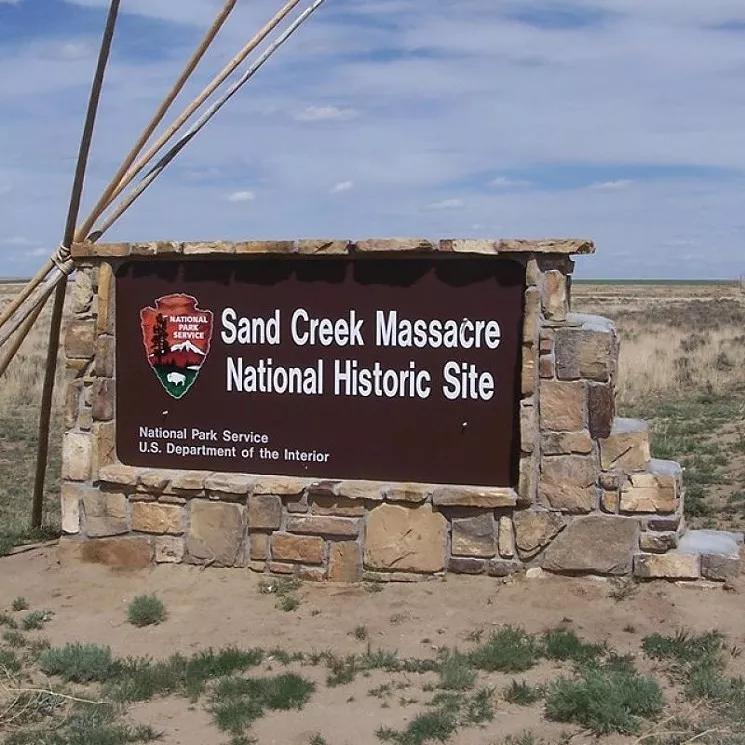
In practical terms, these changes reach far beyond individual buildings. If passed as initially proposed and voted on, they would affect places like the broader Santa Fe Trail corridor, where the significance lies not only in surviving structures but in the historic landscape itself. They would affect culturally significant places such as the Sand Creek Massacre National Historic Site, where the setting and surrounding landscape are crucial to engaging with what happened there. They would affect sacred places and traditional landscapes important to tribal nations, as well as historic ranchlands, archaeological sites, battlefields and other places where history is defined as much by the land and people’s relationships with it as by what was built there. The proposal would also prevent consideration of many indirect effects, including impacts to a historic property’s setting, viewsheds and visual, atmospheric and audible qualities, even when those qualities are essential to understanding and experiencing the place.
The public will have a brief 30 days to respond to the proposed Section 106 revisions once they are officially posted. While we do not know when public comment will open, we know it will be soon.
To help our communities prepare, Colorado Preservation Inc. is hosting a free public webinar open to all on Thursday, Aug. 13, from 10 to 11:30 a.m. National legal experts from Cultural Heritage Partners will provide an overview of the proposed revisions and explain their practical implications to Colorado and beyond. Cassandra Atencio and Garrett Briggs of the Southern Ute Indian tribe will share tribal impacts and perspective on proposed changes to consultation, cultural resources and government-to-government relationships. Click here to register.
Now is the time to become informed so that when the comment period opens, Coloradans are prepared to participate in a meaningful way and make their voices heard.
Westword.com frequently publishes opinion pieces and commentaries on matters of interest to the Denver community; the opinions presented belong solely to the authors, not Westword. Have one you’d like to submit? Send it to editorial@westword.com, where you can also comment on this essay.