
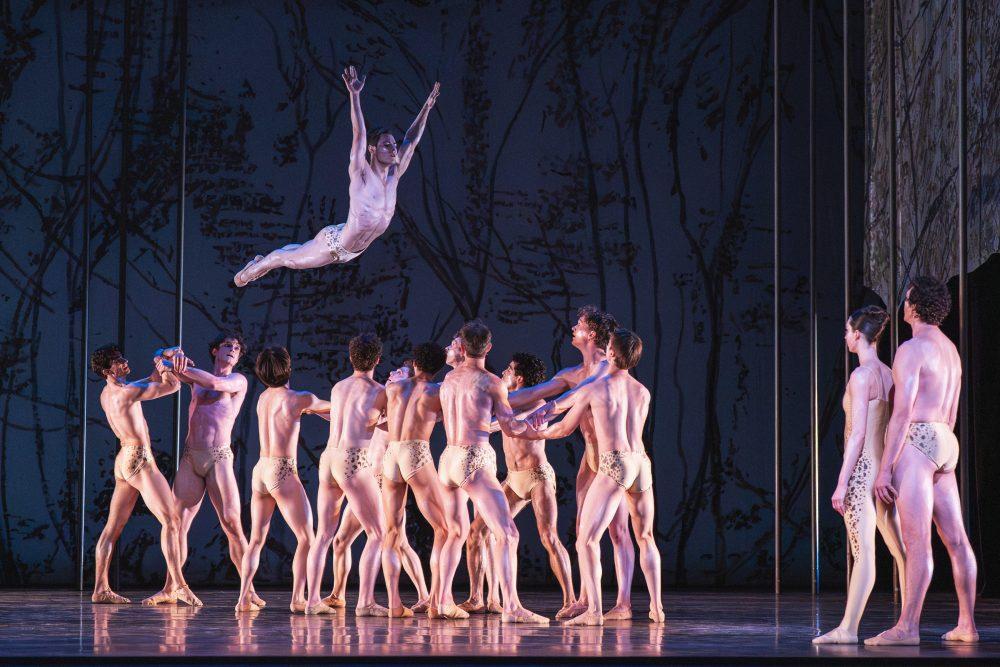
Amanda Tipton Photography

Audio By Carbonatix
Reader support matters more than ever
We're in the final stretch of our summer campaign. Our goal is to raise $25,000 by August 9 to support the journalism our community relies on. Reader support is helping shape the future of local news.
Colorado Ballet can sell out “The Nutcracker.” The more difficult question is who can afford to make the production part of their holiday tradition and whether the company can build an audience that reflects the Denver it hopes to serve.
“If we do not build our audiences, we will not survive moving forward,” says executive director Sameed Afghani. “We have to answer why Denver needs a ballet company, and to do that, you really have to serve your entire community.”
For its 2026-2027 season, Colorado Ballet is formalizing two initiatives intended to make that community larger. Bridge to Ballet will provide complimentary performance tickets through schools, nonprofits and community-serving organizations. A Pay What You Can program will set aside tickets for one designated performance of each production, allowing patrons to choose a price that fits their budgets.
The programs arrive as ballet, opera and other legacy art forms confront questions about their relevance and the aging of their traditional audiences. Opera Colorado has similarly used its Pay What You Wish program to lower the financial threshold for attending. Colorado Ballet is making its move despite posting record attendance and ticket revenue in recent years.
“It is an initiative that’s paired with our strategic plan of building our audiences,” Afghani says. “As probably every American knows and is feeling, the cost of living has been increasing year over year. It’s more challenging when you go to the grocery store, for housing, etc., and we feel strongly at Colorado Ballet that one element of attracting new audience members and inviting people in our community to participate in the ballet includes financial accessibility.”
Afghani says the company first experimented with Pay What You Can about three years ago, including pilot performances of “The Nutcracker” and “Lady of the Camellias.” The idea initially made little sense to him as a business decision.
“You’re going to take ‘Nutcracker,’ a performance for us that always sells out, that is a significant revenue driver, and you want to basically give tickets away?” Afghani recalls asking his marketing team. “I remember telling them that I didn’t feel good about that.”
Younger staff members persuaded him that the company’s financial health made the investment possible.
“’Nutcracker’ is a Denver tradition. We say it’s for everyone, but we’re not creating a price point that is for everyone,” Afghani says. “If you have a family of four or more, these prices are an absolute barrier for entry.”

Amanda Tipton Photography
The pilots proved successful enough for Colorado Ballet to offer Pay What You Can tickets throughout the coming season. The company expects the initiative to serve “well over a 1,000 audience members,” though the number of seats released will vary based on demand and advance sales.
The designated performances are “Don Quixote” at 2 p.m. October 3, with tickets available Sept. 19; “The Nutcracker” at 6:30 p.m. Nov. 29, with tickets available Nov. 15; “Romeo and Juliet” at 2 p.m. Jan. 30, with tickets available Jan. 16; “The Wizard of Oz” at 7:30 p.m. March 12, with tickets available Feb. 26; and “MasterWorks” at 2 p.m. April 10, with tickets available March 27.
Concentrating the program on one announced performance of each ballet allows the company to reserve seats before subscriptions and single-ticket sales fill the house. It also gives families and community partners time to plan.
“We wanted to get away from this seeming like it’s a super sale at a limited time only,” Afghani says, “and be an intentional process so that we can get the messaging out to the people that we want to.”
Bridge to Ballet goes further by recognizing that simply posting discounted tickets online may not reach people who have never viewed the Ellie Caulkins Opera House as a space intended for them. Schools, government agencies, nonprofits and community groups serving historically under-resourced or underrepresented populations can apply to distribute free tickets directly to students, clients and families.
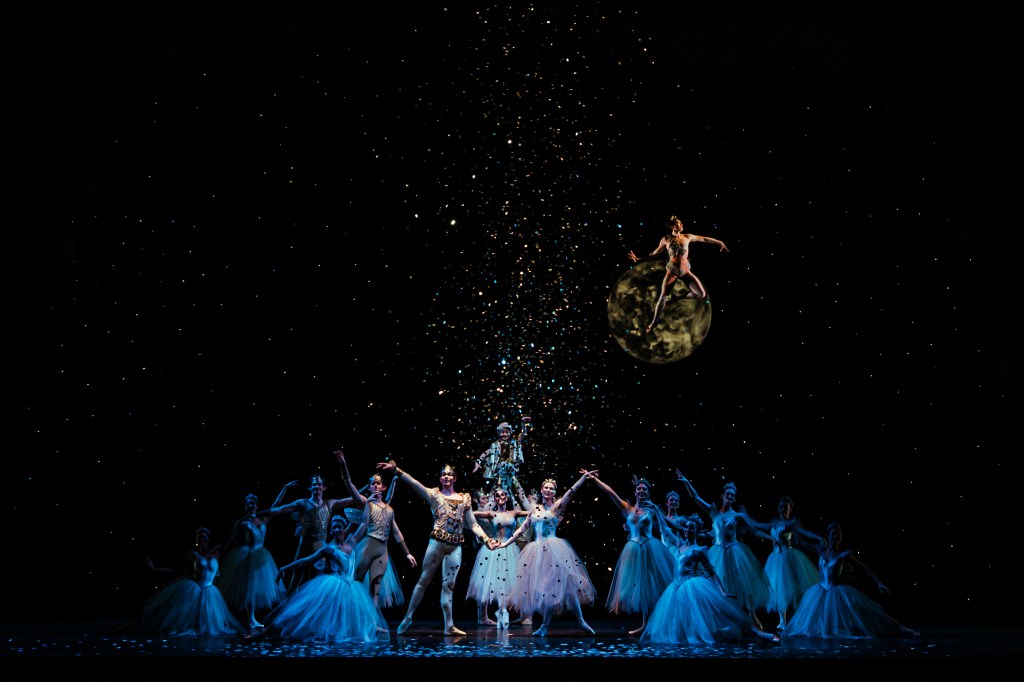
Andrew Fassbender
Colorado Ballet’s own audience research demonstrates the economic divide. Afghani says a demographic study from several years ago found that the predominant household income among attendees was $95,000.
“That gave us the metric that we are not serving our entire community,” he says. “This data showed that economic barriers are definitely present, so what are the different initiatives that we can explore? That’s what Pay What You Can and Bridge to Ballet are intended to address.”
Afghani believes the company must rely on organizations that already have credibility within the communities it wants to reach. He points to Colorado Ballet’s relationship with ArtistiCO Dance Company, which focuses on Mexican folklórico and primarily serves Denver’s Latino community. Students and professional dancers from the two organizations have participated in exchanges across the dance forms.
Because ballet has historically been perceived as highbrow, Afghani says, companies must approach outreach “with a humility” and acknowledge that unfamiliar audiences may not immediately trust their invitations.
“There might be some apprehension, so it’s important for us to work and make connections with those institutions that have already been doing this work in those communities, that have those connections,” he says. “And by doing that, we can message in a way that resonates. We can find a way to invite people into our space in a way that feels more natural and that feels authentic and not performative.”
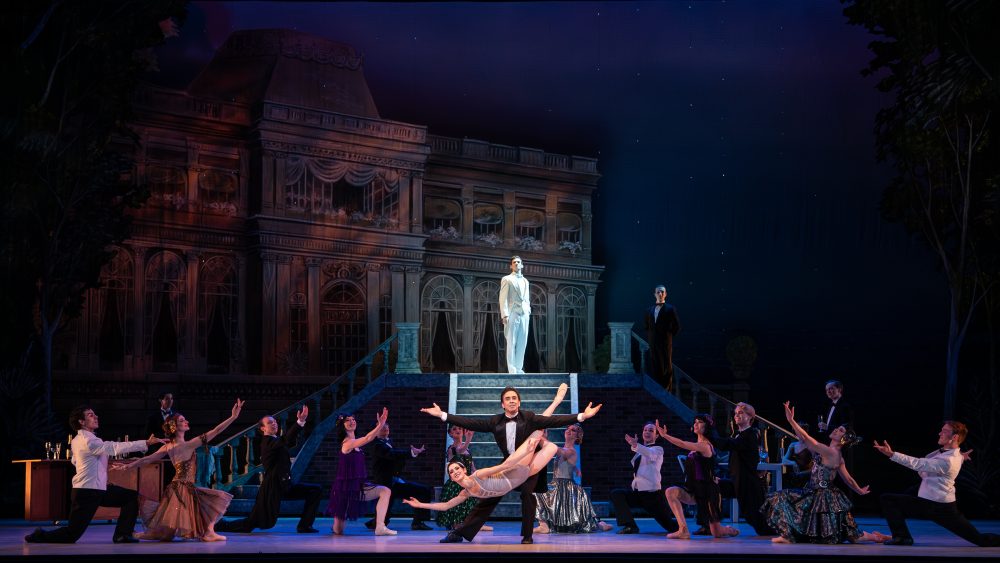
Amanda Tipton Photography
Colorado Ballet is also reconsidering what happens after a first-time visitor enters the opera house. Its patron-services team is studying how sports organizations welcome newcomers, including informational stations, lobby activities and small gestures identifying families attending their first performance.
The intention is not necessarily to turn every subsidized attendee into a full-price buyer. Afghani says the company will study demand, audience demographics and potential improvements after the season, but conversion is not the primary measure.
“Success is bringing people to Colorado Ballet that otherwise haven’t yet experienced this art form,” he says. “We are always trying to build our audience, and we want people to experience ballet, but more importantly than that, as I said before, we’re an institution that each day is living by how we can prove to our entire community that we are relevant, that Denver needs a ballet company. For me, the success of these programs, and what we’ll be looking at in the data this year, is how popular those Pay What You Can performances are and the demographic of who we brought in.”
Learn more about the Colorado Ballet’s new ticket initiatives and 2026/2027 season at coloradoballet.org.