
Courtesy of Kit Karzen/Netflix © 2026

Audio By Carbonatix
Reader support matters more than ever
We're in the final stretch of our summer campaign. Our goal is to raise $25,000 by August 9 to support the journalism our community relies on. Reader support is helping shape the future of local news.
When Netflix came calling last spring, Denver trapeze artist Saifee Ghadiyali hoped it would be his big break. In March 2025, a casting producer for the streaming platform’s revived Star Search contacted him, asking if he had an act that would be suitable for the show. Ghadiyali sent in submissions and then waited. And waited.
“It was nine months of meeting with producer after producer, doing so many interviews and phone calls explaining the vision to them,” Ghadiyali recalls. “Because it was their first season, they weren’t sure who to cast or when the show would air.”
The confirmation finally arrived December 22. Two weeks later, Ghadiyali was in Los Angeles preparing to perform for a global audience.
“We had two weeks to put together our first act before the show went live on January 20,” he says. “It was a really surreal experience.”
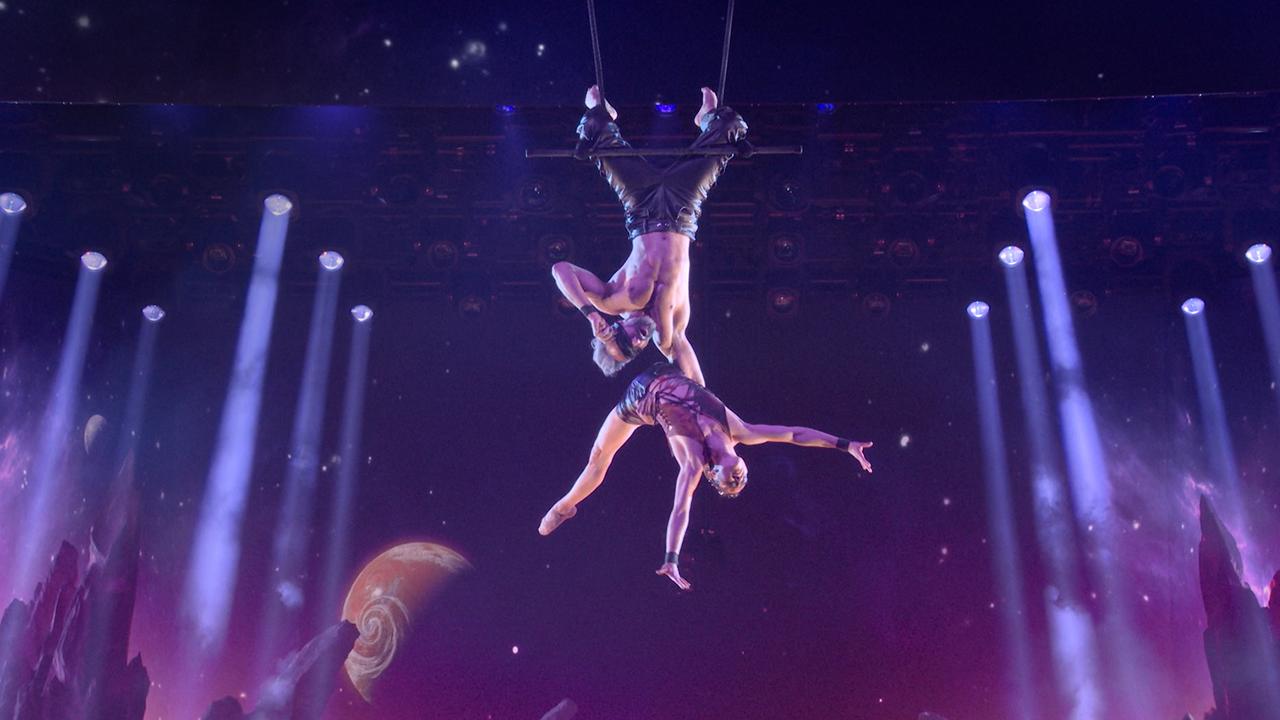
Ghadiyali appeared on the show as part of Duo Vespertilio, a trapeze act with aerialist Sierra Porreco from Colorado Springs. The pair combined high-risk aerial maneuvers with theatrical storytelling, a style that helped them stand out during the competition and propel them to the Top Four finalists.
“And it was all really live,” Ghadiyali confirms. “What you were watching on Netflix at home was actually what I was living in the studio in Los Angeles.”

Courtesy of Kit Karzen/Netflix © 2026
The scale of the production surprised him. After nearly two decades performing circus arts around the world, he’s used to operating with lean crews and quick setups. Television was another universe.
“The scale of the show, seeing the big stage and all these giant cameras, is a whole different experience,” he says. “I’m used to doing a lot of shows, but this one really spoiled me, right? Because you have your own production team, you have your own makeup and costume and wardrobe, and they follow you everywhere with cameras. They build the whole set for you for your act, as opposed to your own show, where everything is on you.”
Still, the show’s format could be brutal. Each week, contestants who lost were sent home the next morning.
“You make friends with all the other contestants,” Ghadiyali says. “They become your family, and then if they lose, they leave.”
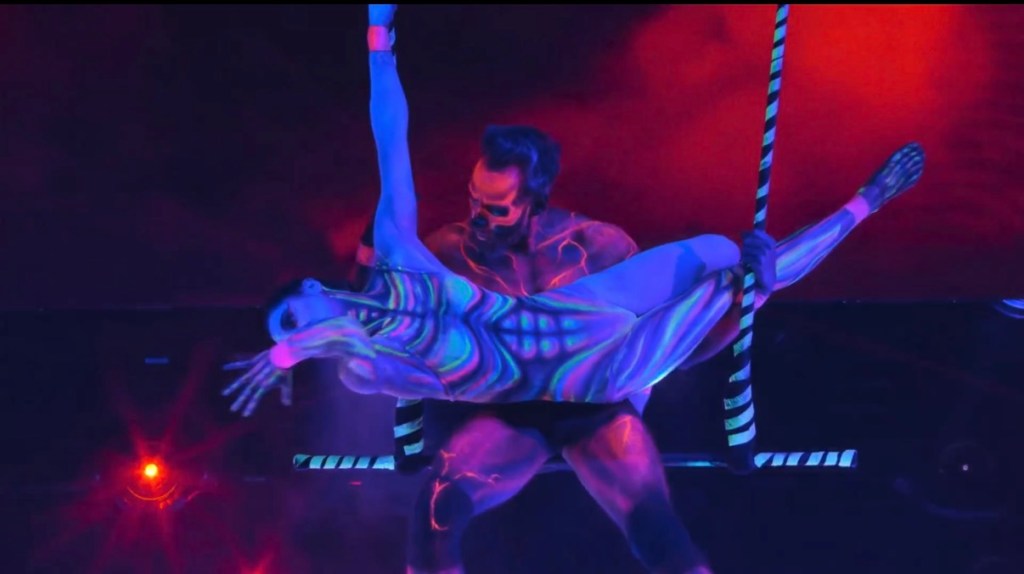
For Duo Vespertilio, the strategy was to offer something different from the usual aerial spectacle. Ghadiyali notes he intentionally pitched routines based on an evolving vampire love story rather than just technique.
Courtesy of Kit Karzen/Netflix © 2026
“When I initially pitched this show, I didn’t want to do just trapeze, because that’s been done before,” he says. “If you watch the show, we always focused on the storyline. That’s what we sold.”
That approach helped keep audiences invested, but it also meant a relentless creative schedule. Because the show aired weekly, the duo had only a few days to design new routines.
“We went live on Wednesday and then the next show was the next Wednesday,” he says. “You basically have two days to put together a new act.”
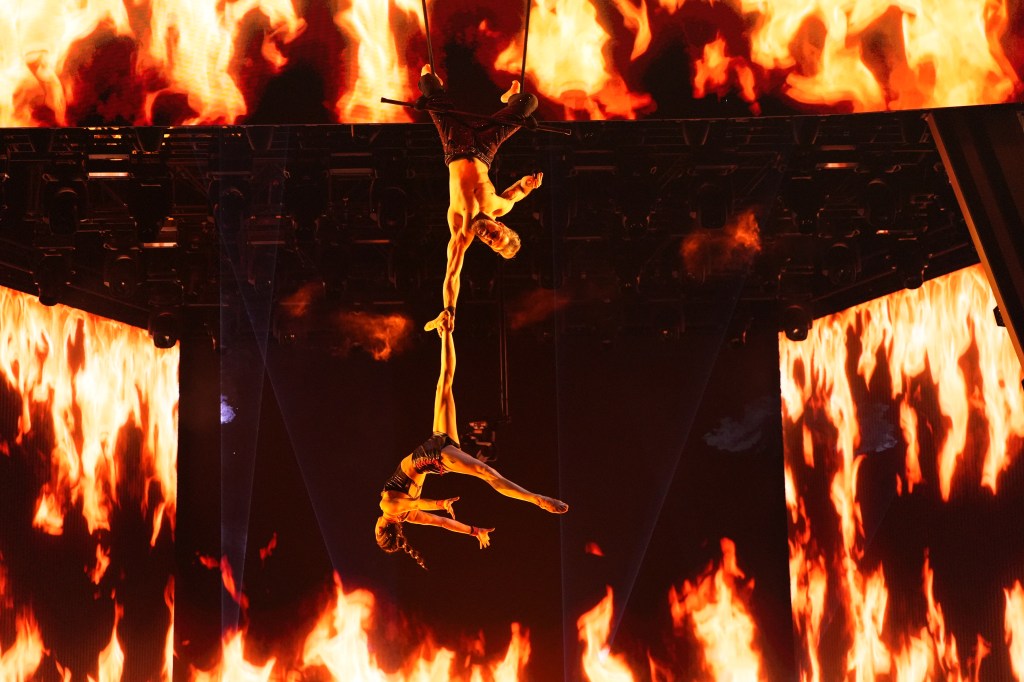
One week involved a blindfold routine the pair had never attempted before. Another routine featured fire effects, and Ghadiyali admits that his vision initially concerned the producers.
“I had this vision of burning the trapeze and having the trapeze drop and escaping onto the rope,” Ghadiyali says. “It seemed amazing on paper, but they were like, ‘This is crazy.’ But I was able to work with the right team to make it happen. Even though it didn’t have all the elements I originally wanted, it told the story.”
Courtesy of Kit Karzen/Netflix © 2026
Behind the scenes, the spectacle came at a price. Two days before the first live show, Ghadiyali injured his knee during rehearsal. At the end of his routine for episode one, he normally jumps about twenty feet from the trapeze to the mat below. This time, he tried adding a flourish.
“We thought it may be cooler if I turn and jump and face the audience,” he says. “Bad idea.”
On the third try, something went very wrong.
“My body went one way, the knee went the other way and I heard a pop,” he says. “I couldn’t put any weight on it for the next twenty minutes, and then I was, like, swollen for the next two days, so I had to skip two days of rehearsals.”
Still, with the first episode approaching, he refused to withdraw.
“The producer was like, ‘Do we take you out or keep you in?’” Ghadiyali recalls. “I’m like, ‘I don’t want to leave at this stage; I’m just getting in.’ So I bought compression sleeves, and I performed. Then I kept going week after week, and it was fine. It was healing, or rather, I thought it was healing.”
Only later did doctors confirm the extent of the damage: a severely torn ACL and meniscus. Now, surgery looms.
“I just got a check last week, and they were like, ‘You have to stop right now,’ so that’s where we are right now,” he says. “It’s eight months of recovery, so it’s going to pick things back up, but things are just paused for now. I’ll resume back in December.”
In the meantime, several performance opportunities, including a potential appearance on Netflix’s upcoming Physical: 100 competition series, have been put on hold. The duo act that took him to the Star Search finals is also on hiatus. Ghadiyali says he and Porreco are “currently focusing on different projects following the show.”
That doesn’t mean he’s slowing down entirely. While performing will be off the table during recovery, Ghadiyali plans to keep teaching at the Denver Circus Collective, the training space where he spends most of his time.
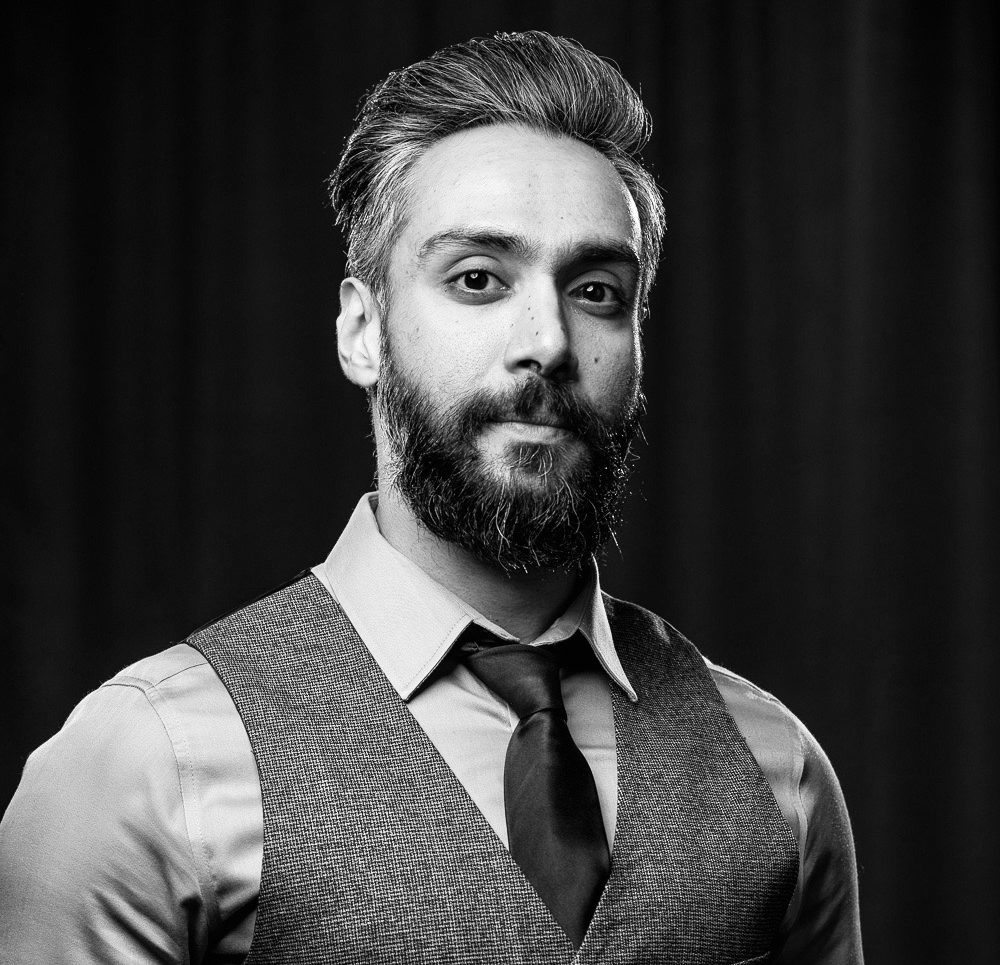
The gym has become something of a home base since he moved to Denver from Windsor, Ontario, about two and a half years ago in search of a new trapeze partner. Today he still trains there regularly and works with students ranging from complete beginners to experienced aerialists who travel from across the country, and sometimes overseas, to take lessons.
“Teaching is what keeps my skills sharp,” Ghadiyali says. “When I teach, I learn different ways to engage my body and time things correctly. It helps make everything safer.”
For now, coaching allows him to stay connected to the craft while his knee heals. Once he’s cleared to perform again, Ghadiyali expects to return to the touring circuit that has defined much of his seventeen-year circus career.
“Before the show, I used to do a lot of tours, so I’ll still continue doing those live shows because I get those offers all the time,” he says. “However, after doing this televised stuff, I’m getting a lot more televised opportunities as well. I want to explore that more as well. But, regardless of the format, I always want to make the audience feel something rather than just watch tricks.”