
Colorado Proud

Audio By Carbonatix
While farmers’ market season kicks off this weekend, we already know that options will be limited for those hoping to stock up on Colorado-grown fruit this summer.
A hard freeze that swept through Delta County fruit orchards on the Western Slope last month has wiped out entire crops in the most devastating loss since 2020, when Governor Jared Polis declared a disaster after a similar April freeze decimated the Palisade harvest.
This time around, the Palisade area was largely spared. But farmers in the North Fork Valley areas of Cedaredge, Hotchkiss, and Paonia were not so lucky. On April 25, Ela Family Farms issued an alert to CSA members: “Over the course of the last week, it became clear that we are confronting a complete fruit crop loss,” it read.
The problem began Friday, April 17, when temperatures fell to 28 degrees, the definition of “hard freeze,” and then later dropped to a low of 21 degrees.
The farm tried using giant fans to mix rising warm air down to ground level to protect the crops, but its efforts had little effect.
“It’s turning out to be probably the worst spring frost we’ve had,” the message read. “Usually after a freeze there is at least a little fruit that makes it through, but as we keep looking we are not seeing that.”
Ela Family Farms is not alone. Topp Fruits, with operations in Paonia and Hotchkiss, spent the last several days examining the status of the budding trees for signs of life. “We’ve been holding out hope that we would find fruit out there, but unfortunately, after sampling thousands of buds, we’re confident that we lost this year’s crop,” it announced on Instagram. “To the markets and customers we won’t be able to supply this year — we are truly sorry.”
While the cold snap was behind this year’s devastation, exacerbating the problem was the otherwise unseasonably warm spring the state had been experiencing. Earlier warming meant earlier budding of trees, vines, and other plants, and the fruit was at a later stage of development than it normally is at this time of year. The cold weather moved in right when the young buds were at their most vulnerable.
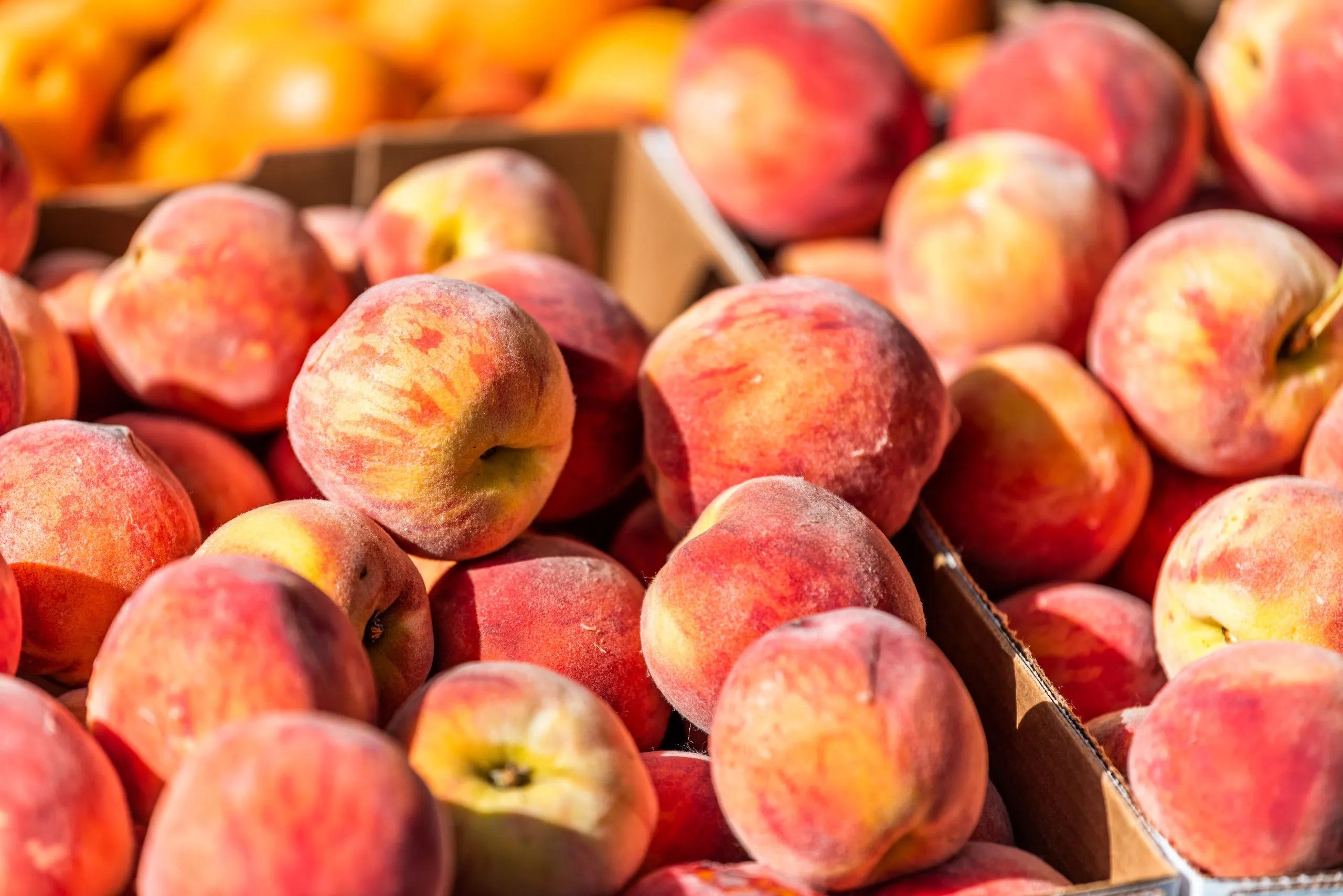
The affected fruit crops are primarily apples and peaches; fortunately, the main peach production regions of Palisade were less affected (thanks in part to farmers taking such extreme measures as lighting dozens of fires throughout their orchards to raise the temperature).
“We did not suffer any impact from the freeze. We will have a full crop of peaches,” says Chris Schmalz of Clarke Family Farms. “Palisade, for the most part, will have a good crop.”
According to Kyle Schlachter, executive director of the Colorado Wine Industry Development Board, the vineyards of the region were not as affected, either, as the vines in Delta County were still in their dormant stages. Fruit trees like apple blossom earlier than grapes.
Still, all told, there’s going to be less fruit at Colorado markets this year. Restaurants, while keen to feature farm-to-table fare from the state, will pivot to out-of-state sources to keep their menus secure. And some farms, like Topp Fruits, will partner with other farms to satisfy wholesale customers.