
Food Network

Audio By Carbonatix
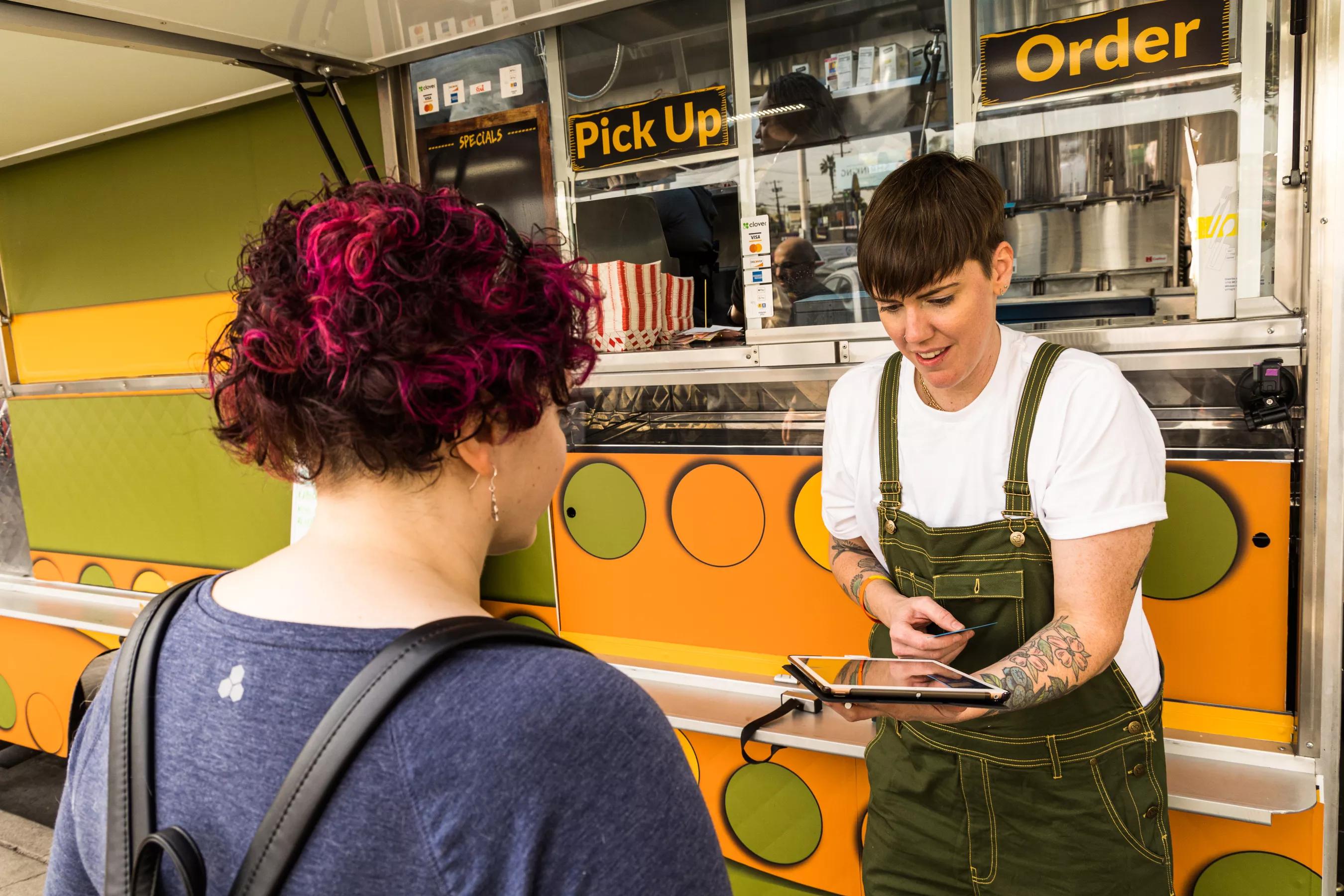
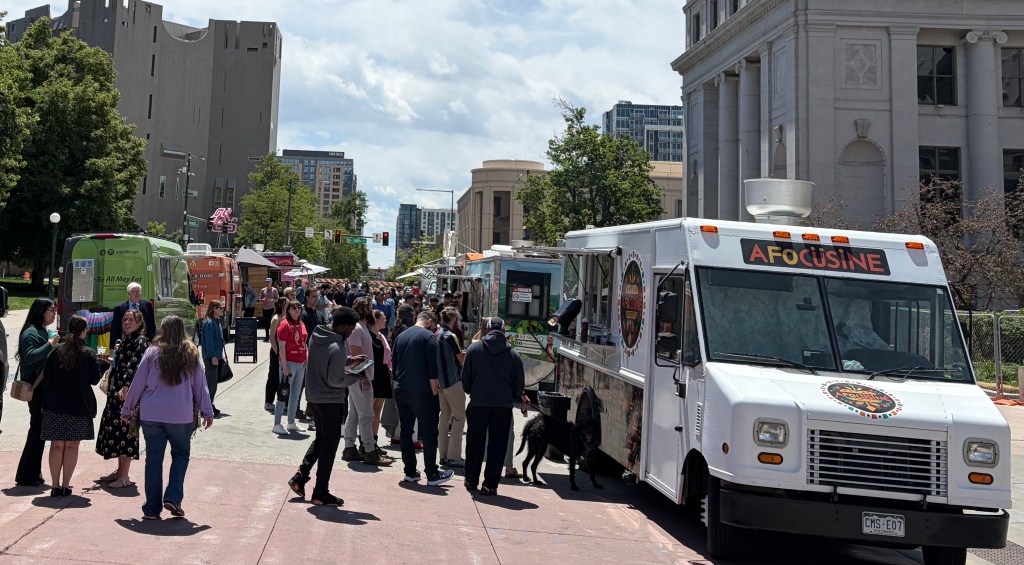
Not too long ago, buying a sandwich at a food truck seemed a cheap way to grab a quick lunch without resorting to corporate fast-food fare. Without a physical location requiring rent, they could pop up at spots all over town, or gather at rallies like Civic Center EATS.
Over 500 food trucks revved up in Denver over the last dozen years, introducing both creative chefs looking to create a gourmet experience as well as subpar operators looking to cash in on the hype.
But with competition came more challenges, accompanied by increased costs of doing business. As a result, eating at a food truck these days can give you a case of sticker shock as well as a sandwich. Your mobile meal can easily cost as much, if not more, than sitting down at a restaurant.
How did we get here? We polled a number of popular food-truck operators to learn what goes on behind the bill.
Brandon Bishop
Operating Costs
Food trucks have less space and time to make sales, which results in smaller economies of scale, which results in an increase in the price you pay. With 15-to-20 square feet of rented storage, trucks can only store, sell and repurpose a certain amount of food. Fewer products translate to lower sales, which leads to higher prices.
While a brick-and-mortar restaurant can prep and clean while making sales, food-truck operators often can only do one thing at a time. The clearing and stocking largely take place after sales are finished, but that activity still needs to be monetized.
“Nobody is thinking about the whole process of how that works,” says one food truck owner who requests anonymity. “How did that food get to the commissary? How did that food get onto the truck? The hours that got put into that. Those are 16-hour days, so we can’t charge you $5.”
Brandon Bishop
Event Fees
One common place to find food trucks is at a food-truck rally or a festival that invites food trucks to participate. But the costs involved in attending these have turned many food-truck owners away. Those who stay and pay often increase the price of each dish served.
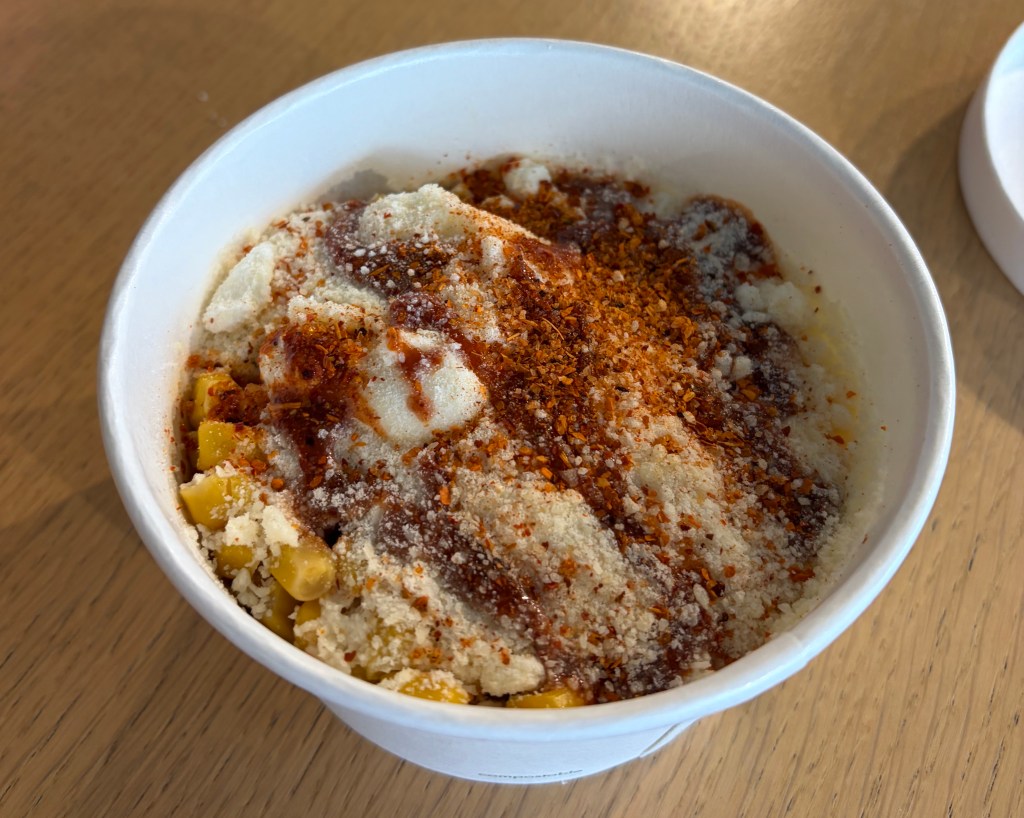
“You will not catch me at [a festival] because I cannot afford their fee and I break even,” says Maria Rangel, the owner of Maiz, named Best Food Truck in the Best of Denver 2023. “The prep, time, the staffing, it’s not worth it.”
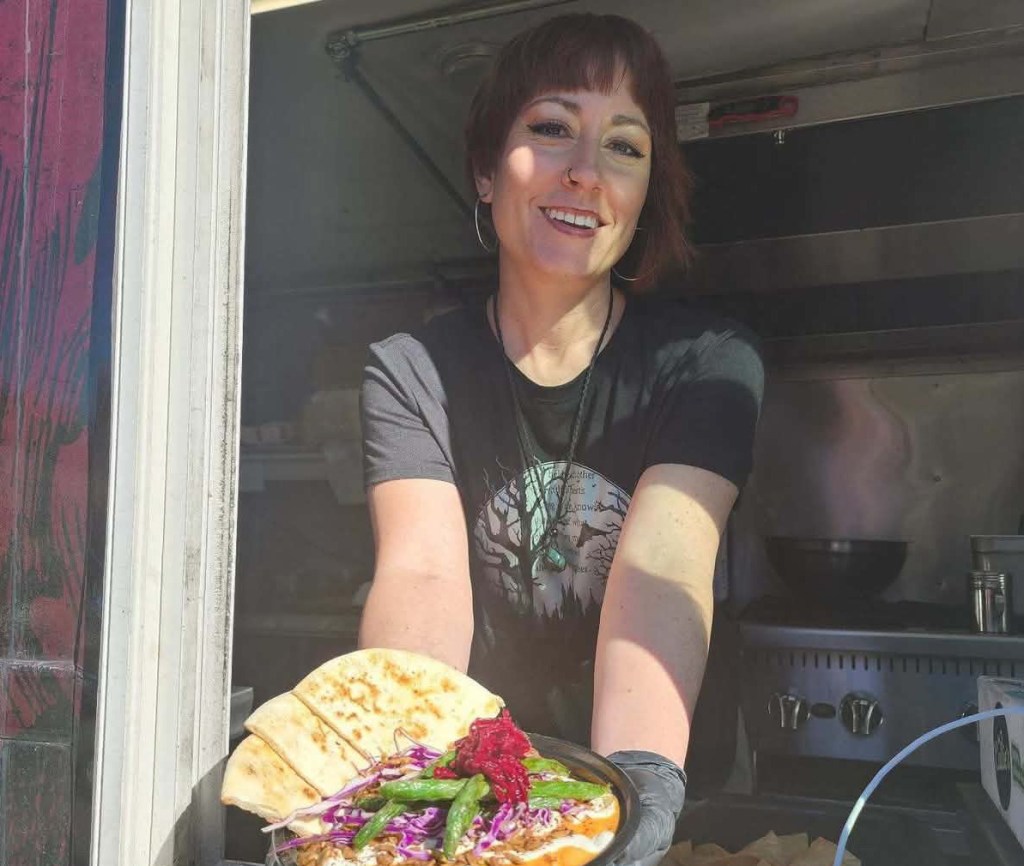
“Some [festivals] want thousands of dollars to just show up,” says Rachel Talady, owner of the Savage Beet. “Some a percentage [of sales].”
“We used to be seen as a value add, but now we are part of their revenue stream,” says Steven Smith, owner of The Crock Spot.
Brandon Bishop
From ‘Roach Coach’ to Gourmet Trucks
Not all food trucks were created to sell cheap eats. Many today are run by former restaurant chefs looking to create daring menus and innovative operators introducing new cuisines to Denver. They want to offer meals that rival those served at restaurants, and use high-quality ingredients to do so.
These meals can take longer to make, and the food costs are more expensive.
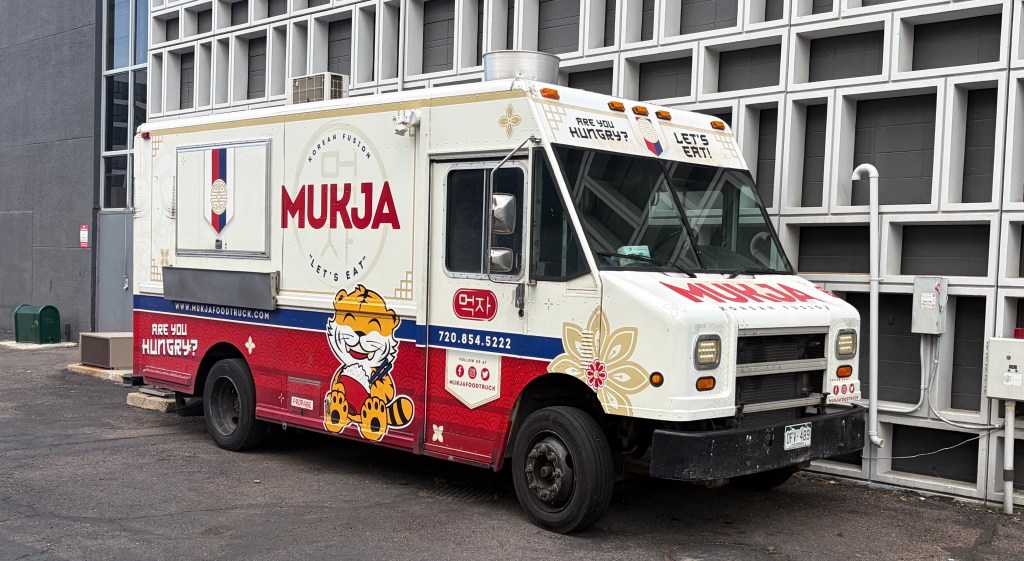
“The beef we use is ribeye, because it’s high quality, it’s gonna melt in your mouth, it’s super tender,” says James Makowski, owner of Mukja, which is opening a brick-and-mortar location as well. “Ribeye has tripled in price in the last two years. Food costs are outrageous.”
The prevalence of these trucks raised the bar for food-truck quality and customer expectations. However, not every food truck wants to be a “gourmet truck” whose focus on time and quality raises prices.
“Ticket times don’t have to be five, six, eight minutes. I can provide a meal in 24 seconds,” says one food-truck owner. “I built it for speed. There are food trucks out there that can go fast. The people that want to charge $20 for organic beef, grilled to order, what are you doing in the food-truck world? That’s for the restaurant world. It doesn’t translate.”
Brandon Bishop
Some trucks raise prices just because they can. This is particularly true at large festivals, where operators take advantage of their captive audience to raise prices and increase profit.
“I was next to a truck… and because the event brought so many people, they just took advantage of hiking up their prices knowing people were going to pay if they really wanted it,” says Rangel.
Where Do Trucks Go From Here?
The food-truck scene continues to evolve, with innovative chefs creating menus that rival those of stationary establishments, and longstanding trucks offering quality, affordable meals. But food-truck owners agree that in some cases, quality has suffered even as prices increased.
With higher menu prices come greater expectations. Trucks will need to meet the moment and serve meals worth the cost. Ultimately, the customer has the power to speak with their dollars, and can support the businesses they want to see…and walk right past the others.