
Photography by: Brandon Johnson

Audio By Carbonatix
In 2024, independent Denver venues drove $898 million in state revenue, as well as $1.5 billion in economic output, $44.6 million in tax revenue and $192.7 million in off-site tourism spending from 3.6 million fans, according to a new report from the National Independent Venue Association.
The State of Live report, which covered venues across the Denver area, also showed that the independent music scene supported 4,097 employees and 9,641 jobs, such as contractors, with $517.3 million in wages and benefits paid.
“The Denver report covers independently owned and operated for-profit and nonprofit live entertainment venues, festivals, promoters and presenters,” says Kris Ferraro, the Austin principal for NIVA, noting that those factors are criteria to be a NIVA member.
While venues report to NIVA confidentially, Ferraro notes that city-owned venues such as Red Rocks would fall into “the study’s eligible respondent population, while venues owned by multinational live entertainment companies [AEG or Live Nation] do not.”
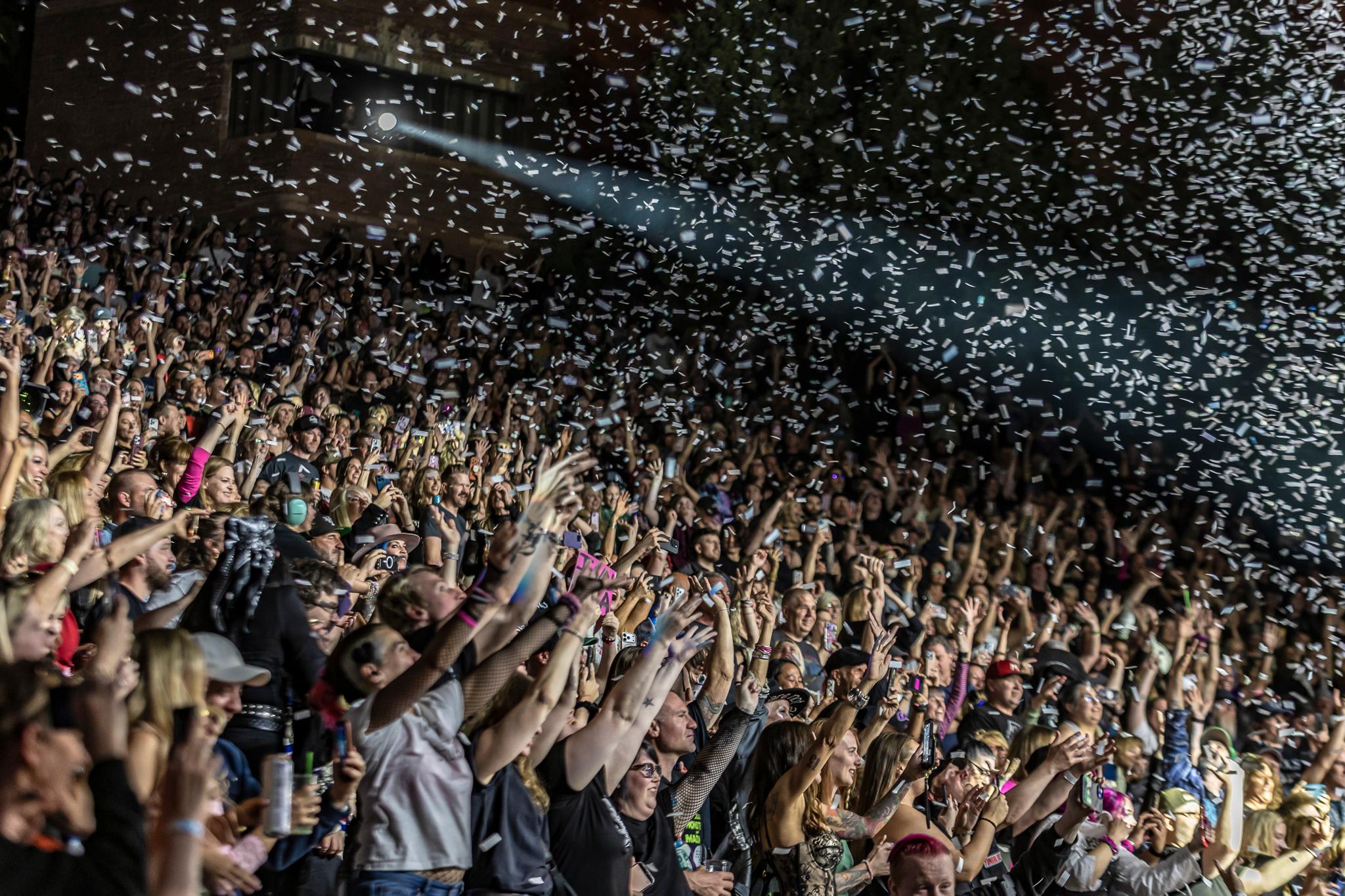
Denver is a music destination, for sure, and Red Rocks plays a large part in that, bringing tourists from around the world to shows like Widespread Panic. So while music’s strength in building the Mile High economy is clear, it isn’t necessarily reflected on the smaller stages that bolster the local scene, which haven’t been seeing profitability. According to the report, “only 25% of independent stages identified themselves as profitable in 2024, underscoring the urgent need for solutions to ensure their survival and sustainability.”
The Denver Department of Licensing and Consumer Protection has been looking at ways to help counter that, starting with a proposal to change licensing rules for the first time in 40 years. In addition to narrowing license categories from the current 14 to three, the draft also proposes a 4 a.m. closing time for a nightlife entertainment business, which could provide for more late-night concert opportunities (although alcohol would still not be allowed past 2 a.m., per state rules). The proposal was passed unanimously by Denver City Council’s Finance and Business Committee, and the council is scheduled to hold a first reading of the bill on July 13. If the proposal passes that reading, there will be a second and final reading on July 20.