
Veo

Audio By Carbonatix
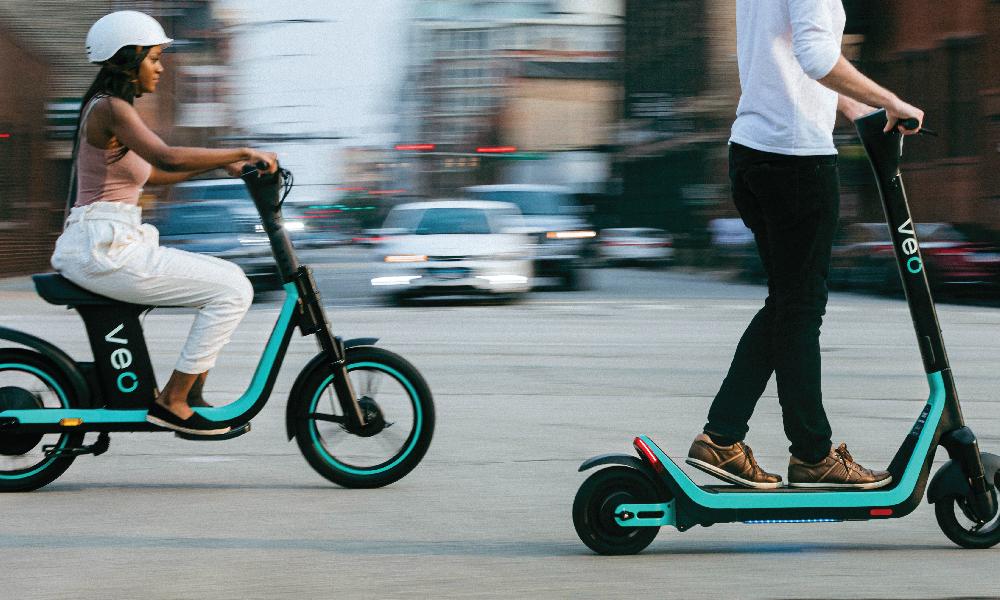
A new brand of electric scooters hit Denver’s streets this month, as Veo took over the city’s scooter rental contract from Lime and Bird. In selecting Veo as the vendor, city officials cited the micromobility company as a way to expand accessibility, improve organization, and crack down on dangerous behavior like riding scooters on sidewalks.
But as anyone who has stepped foot downtown recently can tell you, these new scooters are being ridden on sidewalks.
That prompted David in Denver to ask: “Would love to hear a comment from Veo regarding their scooters that allegedly do not work on sidewalks. I tested it out today and was able to ride freely on a sidewalk. Did city council independently verify this claim?”
So, for the latest edition of our Weekly WTF series, we dove into the city’s scooter operations.
What’s With the Sidewalk Riding?
In May 2025, Denver City Council passed an ordinance requiring that scooters be equipped with sidewalk-detection technology. Veo’s ability to comply with the rule was one of the reasons the company was selected as the city’s new scooter vendor, according to the Denver Department of Transportation & Infrastructure.
However, that ordinance does not take effect until July 1. Though Veo began rolling out its vehicles on May 1, the company is still creating and testing downtown sidewalk geofences ahead of the July deadline, says Veo spokesperson Paige Miller.
“As Veo scales its on-vehicle LiDAR systems, the LiDAR will work in tandem with geofencing technology to improve the accuracy and responsiveness of sidewalk-riding detection,” Miller says. “This rollout will take time as equipment is deployed and calibrated.”

JR Goodwin/DRCOG
Though sidewalk detection is not required until July, the city’s municipal code already prohibits riding scooters on sidewalks except when parking. But for now, the onus for obeying that law falls on individual riders, not the scooter company. And considering that Denver police issued only nine citations for improper scooter use between 2018 and 2024, you shouldn’t expect any kind of crackdown on riders in the next two months.
What Happens in July?
Once the sidewalk-detection system is implemented, users who ride on sidewalks will hear a voice emitted by their scooter that tells them to get off. If they stay on the sidewalk, the scooters can be programmed to automatically slow down, stop or end the ride. Notably, the new city ordinance does not specify how scooters must intervene when they are ridden on sidewalks.
The scooter’s response will depend on where you’re riding, says Miller, who adds that Veo is in the process of “identifying sidewalk-riding hotspots” to focus its initial enforcement efforts.
The current plan is to notify riders when they violate the rules and educate them about sidewalk-riding laws. Those who repeatedly ride on sidewalks will have their accounts frozen, Miller says. The accounts will be reactivated once the user completes a rider education tutorial and quiz. Veo also has the ability to fine riders who violate rules, though the company does not intend to issue fines for sidewalk riding, she adds.
“Veo looks forward to working closely with the community to share data, gather feedback, and prioritize areas for initial testing and phased implementation as the system expands,” Miller says.
Evan Semón Photography
Did Anyone Verify the Technology?
As city council debated Veo’s contract, the company set up its vehicles outside of the Denver City and County Building during each committee hearing, giving councilmembers and residents the chance to take them for a spin. It is unclear whether any councilmember took Veo up on the offer.
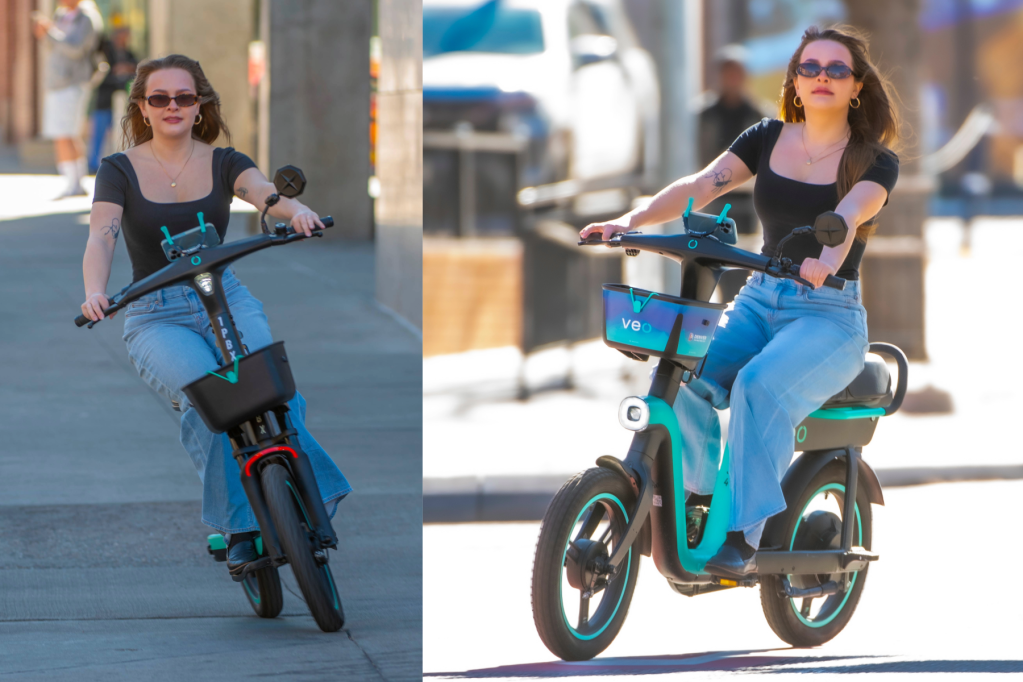
But I did. On February 27, prior to the council debate, I tried out each of the five Veo vehicles that make up the Denver fleet, riding them around a downtown city block. While the geofences weren’t supposed to be set up yet, I ran into an old test geofence during one of my laps, which prompted the vehicle to slow slightly and yell “Sidewalk riding detected.” On another lap, I stopped at a red light too abruptly, which got me yelled at again, this time with, “Hard braking detected, please ride safely.”
So, while the system has yet to be implemented, I can confirm that the technology exists.
Do you have a question you want Westword to answer? Submit it here, and we may respond in our next Weekly WTF column.