
Jacqueline Collins

Audio By Carbonatix
Senate Bill 26-164, better known as the Colorado Hemp Beverage Bill, made its debut and dissolution all in just a few short weeks. Before the bill’s first legislative hearing, it was withdrawn by sponsors who knew it didn’t have the votes.
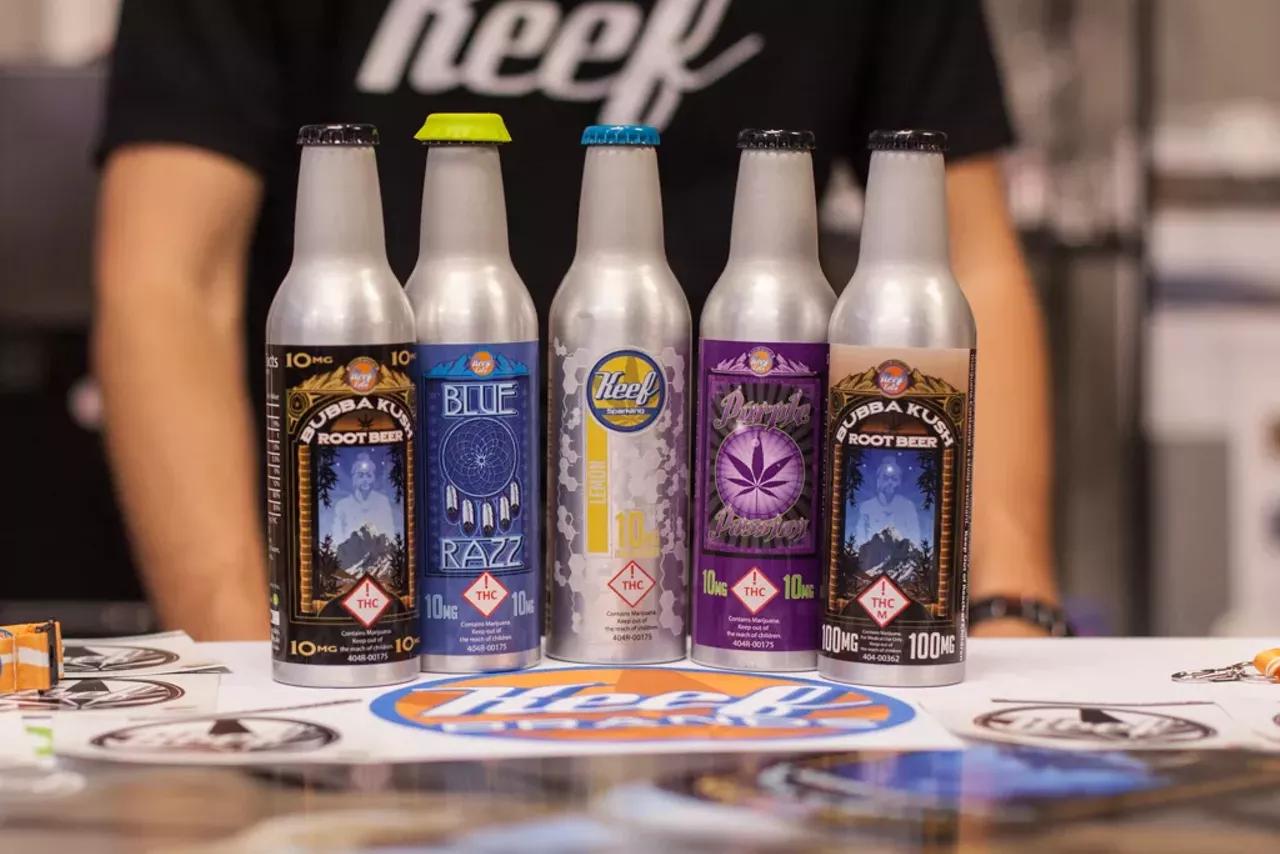
The measure, sponsored by state Senator Julie Gonzales and representatives Matthew Martinez and Steven Woodrow, proposed allowing hemp-derived THC drinks to be sold at bars, restaurants, movie theaters and other liquor licensees, regardless of the plant’s federal status. The drinks would have been capped at ten milligrams of THC, and would have been sold under similar laws as alcohol, including proof of ID and rules against selling to the visibly intoxicated.
Although it would have made cannabis more mainstream in Colorado, the bill created a divide between the hemp industry and licensed marijuana operators, which have to operate under more strict and expensive regulations.
Opponents within the marijuana industry noted that it did little to help legacy operators struggling to overcome a sustained market recession in Colorado. The measure also had opponents in the bar industry who were concerned about monitoring patron intoxication (and the insurance implications that came with it) as well as youth protection groups.
In a press release celebrating the bill’s withdrawal, Colorado youth protection group One Chance to Grow Up argues that SB 164 would “exacerbate marijuana normalization with youth.”
“Youth normalization of marijuana use is already an ongoing problem, the Colorado Senate Finance Committee did the right thing today by accepting the request to kill the bill,” One Chance executive director Henny Lasley says.
According to the Colorado THC Beverage Coalition, the main organization behind the bill, SB 164 would have built “upon the existing framework for THC regulation in Colorado” and could have produced around $30 million per year in tax revenue.
The coalition is made up of members from Vicente LLP, a national cannabis law firm based in Colorado, as well as multi-state businesses that operate in both the marijuana and hemp industries, such as Keef, Wana Brands and Brez. Proponents of the bill said they hoped legislators would consider THC drinks as an alternative to alcohol as Coloradans continue to drink less than years before.
Gonzales hoped that expanding THC beverage sales in Colorado would “reclaim our leadership” in the industry. According to the state senator, federal developments around hemp and medical marijuana also affected the will to engage in the state legislature this year.
Congress passed a nationwide ban on the vast majority of hemp-derived THC products last year, which is expected to begin this November. And just last week, the Trump administration announced the reclassification of medical marijuana from Schedule I to Schedule III in the Controlled Substances Act.
“It’s unfortunate that the shifting federal landscape related to closing the hemp loophole and shifts in the scheduling of cannabis really complicated this bill,” Gonzales says. “At the end of the day, there was a lack of political will to engage in this head-on and get it done.”