
Provided by Andrew Fraieli

Audio By Carbonatix
Body camera footage that the city of Wheat Ridge fought for three months to keep hidden shows former police officer Carlos Bowdre pressing his handgun against an unarmed man’s head in May 2025 while screaming he would “put a fucking bullet in your head” to the suspect. Bowdre was fired by Wheat Ridge Police Chief Chris Murtha a couple of months after the incident.
But no one would know why Bowdre was fired if not for Blue Surveillance, a scrappy Denver nonprofit that got the footage and disciplinary report released after months of legal wrangling with the city.
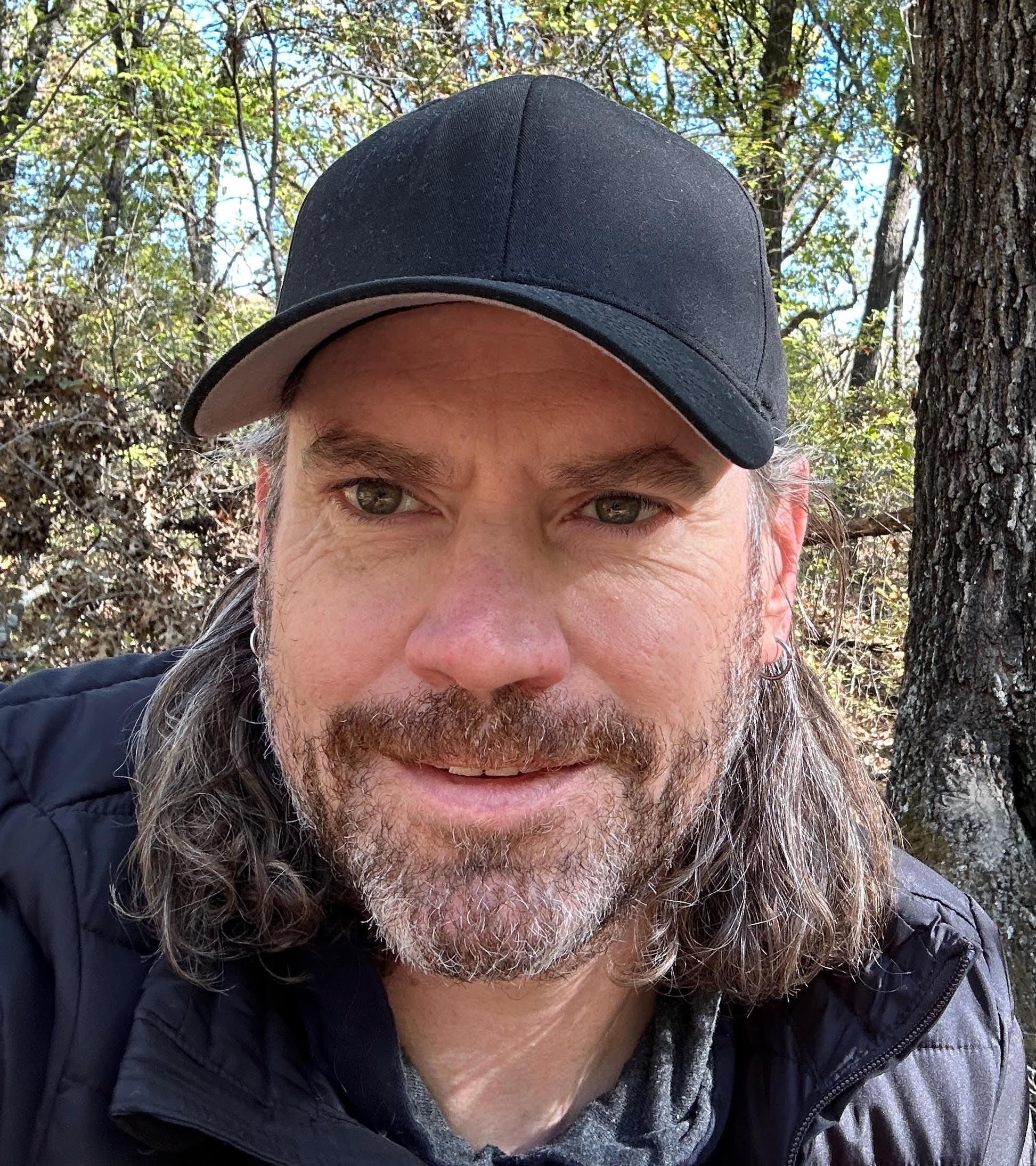
Blue Surveillance is essentially a one-man operation, run by investigative journalist Andrew Fraieli out of spite as much as principle, he says. Since launching in November 2025, he’s built perhaps the most public accounting of Colorado police misconduct.
Fraieli’s frustration predates the nonprofit. About four years ago, Fraieli worked on a multi-newsroom investigative project with the Colorado News Collaborative (COLab) examining the state’s new Peace Officer Standards and Training database, known as POST, which launched in January 2022. POST lists officers who’ve been fired, decertified or otherwise disciplined. What it doesn’t do is explain why.
“It just says ‘terminated for cause,’ ‘resigned while under investigation,’ whatever,” Fraieli tells Westword. “It doesn’t actually say what happened.”
Finding out what actually happened meant filing records requests with individual agencies, paying $41 an hour under Colorado law, and waiting weeks or months for responses that were redacted or denied under vague public interest exemptions. That project cost thousands of dollars and took several newsrooms working together. When it finished, Fraieli kept pitching similar stories as a freelancer and kept getting the same response.
“We don’t have the money” for records requests, he says editors would tell him. “So I basically said, ‘Fuck it, I’ll do it myself.'”

Courtesy Andrew Fraieli
Fraieli’s logic was that if he spent a few hundred dollars a month steadily requesting and banking these records, the reporting would already exist by the time a newsroom needed it, instead of scrambling to find money on deadline. In late 2025, Fraieli started with the cheap requests, job applications and resumes filed under the state’s Colorado Open Records Act (CORA), which cost less to process, and worked his way up to pricier criminal justice files as donations came in.
Fraieli designed and built the website and logo himself — he’s also art director at the Denver Voice — but he didn’t know how to start or run a nonprofit, so he recruited two board members: Linda Shipley, his former publisher at Colorado Community Media, and Dave Perry, editor of Sentinel Colorado, whose paper has covered Aurora police misconduct for years. A lawyer handled Blue Surveillance’s incorporation for free.
The project now runs entirely on donations and newsletter subscriptions. Fraieli’s reasoning behind forming a nonprofit is blunt: “There’s no money in journalism right now.”
Rather than chasing clicks via social media, Fraieli built his audience by publishing a weekly newsletter and letting his work speak for itself. He says it took around six weeks before anyone subscribed.
Fraieli has a process for his work. When POST posts a new disciplinary action, he looks up the officer’s name and starts requesting records. A personnel file and resume from the city first, since they’re cheap and fast, then internal affairs documents, complaints, and body camera footage from the law enforcement agency itself under the more restrictive Colorado Criminal Justice Records Act.
That’s how the Bowdre case in Wheat Ridge surfaced. POST showed the former officer’s termination and that he’d voluntarily relinquished his certification. Fraieli requested Bowdre’s personnel file, then asked for his internal affairs file and body camera footage. Wheat Ridge argued the footage was sealed because it related to a since-dismissed criminal case, until attorney Rachael Johnson of the Reporters’ Committee for Freedom of the Press intervened on Blue Surveillance’s behalf.
Bowdre’s disciplinary memo quotes a Jefferson County deputy district attorney calling the officer’s conduct “one of the most egregious things I’ve seen.” The city eventually released the footage, then tried to charge Blue Surveillance for it, Fraieli says, which Colorado case law (Yellow Scene Magazine v. City of Boulder) prohibits for footage tied to misconduct complaints.
“Accountability only occurs through transparency,” Fraieli says. “We won’t stop fighting for the documentation and records the public is legally obligated to.”
Other articles by Fraieli pull the curtain back on police misconduct across the state. A Weld County sheriff’s deputy admitted to unlawful sexual contact with a 16-year-old, but POST only reported he “Violated policy regarding dishonesty.” A Boulder County deputy arrested on domestic violence charges had previously been nominated for an award honoring his work with domestic violence survivors. An Adams County division chief retired after 39 years while under investigation for drinking on duty.
There are three tools available to paid newsletter subscribers: A notification system emails users within 30 minutes of any new POST action. A court tracker follows officers’ criminal cases through sentencing. An employment tracker flags when someone leaves a law enforcement agency.
Fraieli says his relationship with law enforcement agencies has been mixed but not particularly hostile. He says some officers have emailed thanking him for holding bad cops accountable. Others complained they were treated unfairly by POST actions.
“Colorado is putting a paywall in front of transparency,” Fraieli tells Westword. “We’re going to keep gathering the records, keep finding the money, and keep holding departments and officers accountable until things start changing.”
Subscribe to Blue Surveillance’s newsletter here.