Linnea Covington

Audio By Carbonatix
Few phrases are as headline-grabbing as “explosive diarrhea.”
Over the last week, that fearful phrase has been repeated nationwide as an outbreak of a parasitic infection called cyclosporiasis has been reported in multiple states.
The affliction is caused by a parasite called Cyclospora that appears in food and water after they are contaminated with human feces, either from infected irrigation water or poor sanitation conditions during the harvesting process. The symptoms are brutal: Afflicted individuals report stomach cramps, nausea and, yes, “explosive diarrhea” that can persist for days and weeks.
As of July 9, the state Department of Public Health and Environment has reported a total of 122 cases in Colorado, 118 of which have occurred since May 1. Only four have resulted in hospitalizations, and no deaths have been linked to the illness. Most cases so far are believed to result from people who contracted the infection overseas and were tested after returning home, and not from local sources of produce.
Still, that’s a higher number than the Centers for Disease Control and Prevention is reporting. As of the same date, the CDC has listed 843 confirmed cases nationwide, with another 1,500 still being evaluated as Colorado’s count still only between 1 and 10. The discrepancy is largely due to a delay in the CDC updating totals from state-reported data, as well as a focus on domestically contracted cases.
The Colorado total pales in comparison to the outbreak’s epicenter, primarily in Michigan, which has reported over 1,500 cases. Cases in Illinois, New York, Kentucky, and Texas are also higher than normal and are expected to increase as more produce enters the food system in the summer months.
“Produce distribution is often regional, even for national chains, so it is common for U.S. outbreaks linked to produce to be regional,” a CDPHE department spokesperson says. “At this time, Colorado does not have cases in any multistate outbreaks being investigated by (the) CDC and FDA, including the one in the Midwest.”
Denver-area resident Reba Pousma believes she contracted the infection and racked up 1.9 million views on TikTok describing her ordeal, such as dozens of bathroom trips a day. A follow-up video notes that she was never officially diagnosed, but she suspects the cause was a Caesar salad from a restaurant near Clement Park in Littleton.
Among the more common culprits carrying the parasite are leafy greens, herbs and berries. All of which begs the question: How safe is that fresh produce you’re eating at restaurants or lining up for at Denver-area farmers’ markets? Answer: pretty safe, but it’s still smart to take precautions.
“No farmer can guarantee with 100% certainty that your food isn’t contaminated,” says Vanita Patel of Switch Gears Farm.
Patel sells produce at both the City Park and Lafayette farmers’ markets and recently posted a detailed list of food safety recommendations on Instagram in response to the controversy. “So know your farmer, know your food. Just because you go to a farmers’ market doesn’t necessarily mean that it’s grown locally. … A lot of these things are happening from large-scale farms where there’s not a lot of great hygiene,” she says.
Patel suggests asking questions at farmers’ markets to learn whether the vendor is selling produce they’ve grown themselves or sourcing it elsewhere, whether the farm has bathrooms and provides workers with appropriate breaks, and what the produce’s storage and distribution processes are.
Avoiding cyclosporiasis
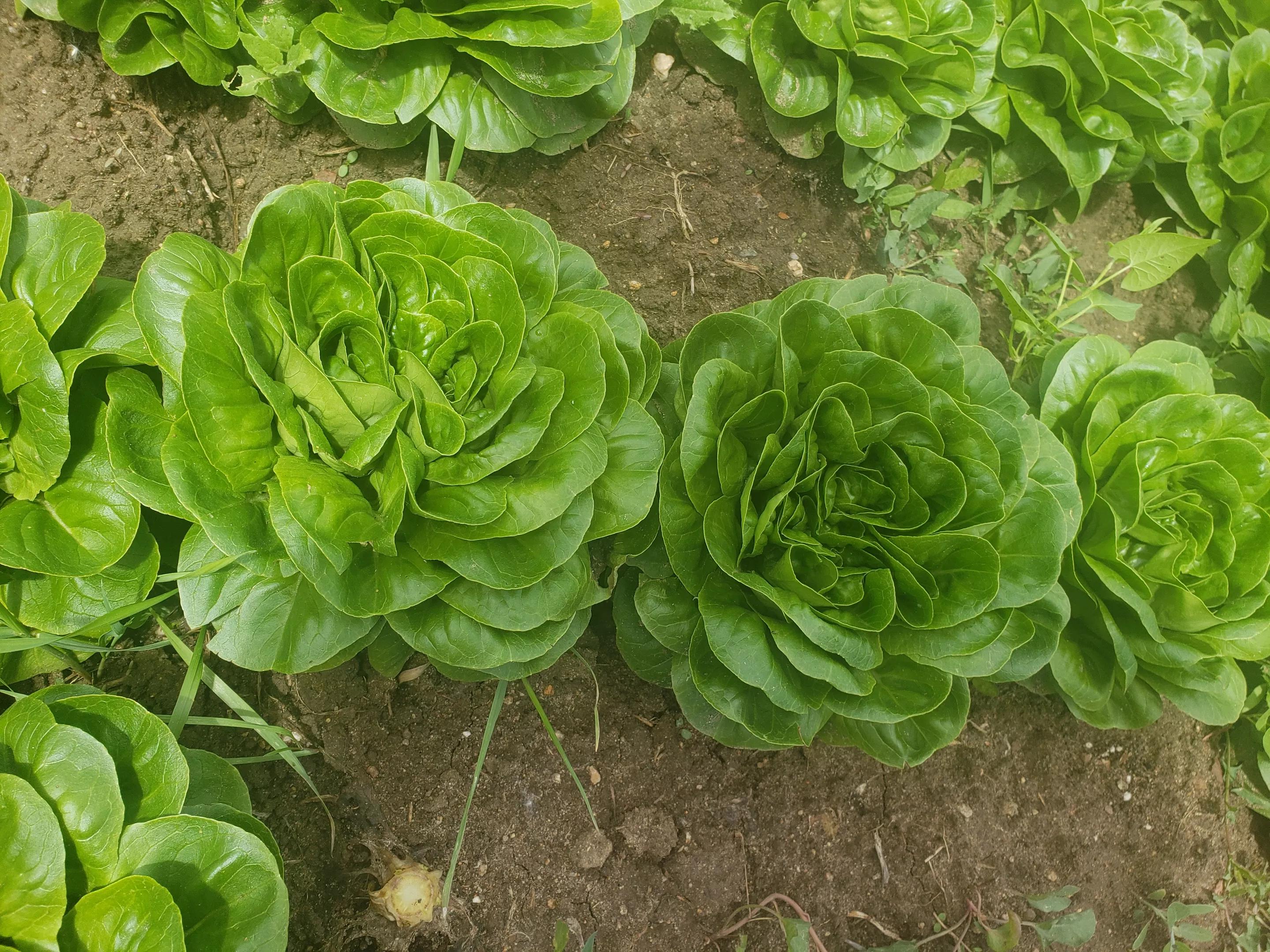
If you’re buying from a local farmer, that head of lettuce was probably harvested the day before. But in many cases, you could be buying from a large distributor selling you the same lettuce they sell to Walmart, which could have been sitting in storage for days, passing through many sets of hands and trucks before being set out for sale.
The best bet is to buy as locally as possible. Regardless, there are several steps you should take when buying produce, whether that’s from the market stand or the grocery store shelf.
“Wash it under cool running water,” says Patel, “and it’s not like a quick rinse. Rub the produce if you can. Taking off the outer layers.”
Even farms that wash their produce can’t guarantee how clean it is by the time it reaches your kitchen.
“We wash our produce, but between the time you harvest it and the time you get set up for market, maybe two or three hands have touched it,” Patel warns. “The minute the market starts, you’ve got so many people touching the produce before it goes home with you. So for that reason alone, I always tell people you should 100% be washing produce, even if we washed it two hours ago at the farm.”
Finally, particularly to avoid cyclosporiasis, cook the food, as washing alone won’t eliminate the stubborn parasite.