
Andreas Ebner

Audio By Carbonatix
When driving in Colorado, going anything less than 5 mph over the speed limit often earns you honks and glares from passing vehicles. But soon, even minor speeding could get you a ticket in the mail.
If passed into law, Senate Bill 26-152 would lower the enforcement minimum for speed cameras from the current 10 mph to just 6 mph over the speed limit.
Under the proposed bill, drivers caught going between 6 and 9 mph over the limit would receive a warning if it’s their first violation. But they would be fined up to $40 if it’s not their first violation, or if they were speeding in a school zone or a construction zone.
Those going between 10 and 24 mph over the speed limit would continue to be fined $40, while the fine would be upped to $120 for those caught speeding 25 mph or more over the limit (and fines can double for speeding in a school or construction zone). Under the bill, those fines would increase to $50 and $150, respectively, beginning in 2035.
Existing fines would also increase in 2035 for disobeying traffic control signals and overtaking a stopped school bus with its lights activated; those fines would rise from $75 and $300, respectively, to $95 and $375.
“Public safety will always be one of my top concerns,” says Republican Senator Byron Pelton, who is sponsoring the measure with Democratic Senator Matt Ball. “This bill establishes protections for drivers and creates a framework for fines and payment structures.”
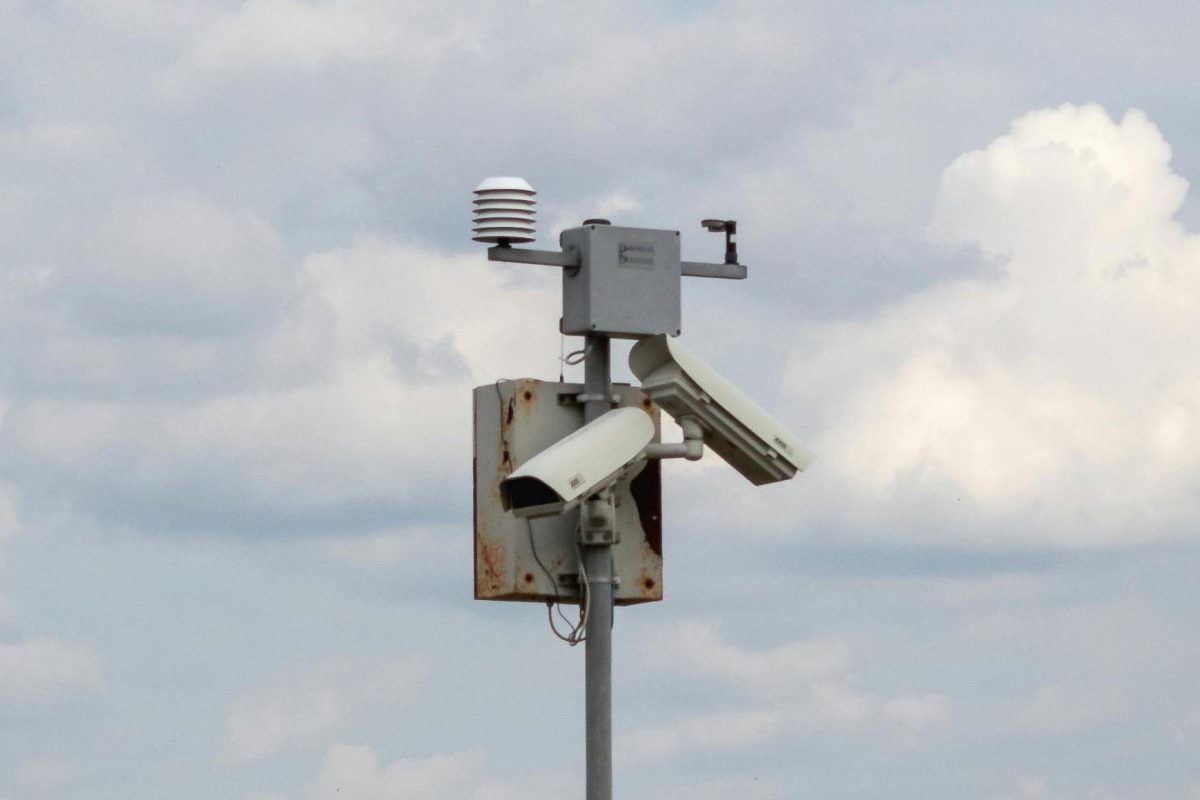
The proposal comes after the Colorado Department of Transportation recently expanded the use of its Automated Vehicle Identification System to monitor speeds and automatically mail tickets to drivers in an effort to improve road safety. The system measures a vehicle’s average speed as it travels between two cameras, making it more difficult for speeders to quickly hit the brakes and avoid a fine.
The new system installed on Highway 119 resulted in nearly 10,000 speeding tickets issued in just the first three months of this year, totaling over $700,000 in fines, CBS reported.
Senate Bill 152 is scheduled for its first vote in the Senate Transportation & Energy Committee on Wednesday, April 29. The details of the policy may be adjusted in committee, as five local governments and organizations are registered in an amend position, according to the Secretary of State’s Office.
Just one county is registered in support of the bill as of April 28: Boulder County.
“It aligns with our transportation legislative priority of increasing safety for all roadway users,” says Rick Hackett, spokesperson for Boulder County Community Planning & Permitting. “Specifically, we support changing the speed limit enforcement minimum to 6 mph over instead of 10. This change takes into account lower speed limit areas where 10 mph over the speed limit greatly increases the chance of serious injury or death to a pedestrian or bicyclist in a crash.”
Jefferson County is the only registered opponent of the bill. County officials did not respond to requests for comment.
What Else Would the Bill Do?
In addition to adjusting fees, the bill would make several changes to the way speed cameras operate in the state.
It would create a procedure for vehicle owners to prove that they were not driving when a camera caught their car violating the law. Right now, the registered vehicle owners are liable for the fine even if they weren’t driving. Under the proposed bill, the owner could submit an affidavit identifying the individual who was driving the vehicle during the violation; the fine would instead be passed to that person.
The bill would prohibit penalizing drivers when a traffic camera captures them exceeding a variable speed limit or a speed limit that is temporarily lowered due to hazardous weather or traffic conditions. The driver could be fined only for exceeding the regular posted maximum speed limit. (This exemption would not apply to temporary construction zones.)
The proposal would also require governments to pay a flat monthly rate to the manufacturer or vendor of speed cameras.
These provisions “ensure speed cameras are used to enhance public safety, not as a money-making tool for some companies taking advantage of loopholes, or local governments who want a new revenue stream,” Pelton says.
The bill would also modify public notice requirements before new speed cameras are installed and require governments to publicly report the number of citations issued and the amount of revenue generated on an annual basis.