Antony Bruno

Audio By Carbonatix
Independent Journalism in Denver Needs You
We need to raise $25,000 by August 9 to support the reporting our community depends on. Reader support keeps us independent and is playing a larger role in funding local journalism and shaping what comes next. If you believe independent local journalism matters, make a contribution today.
About halfway into the 12-course tasting menu offered at Breckenridge’s newest fine dining restaurant, Forage, I found myself wondering, “Where the hell did this place come from?”
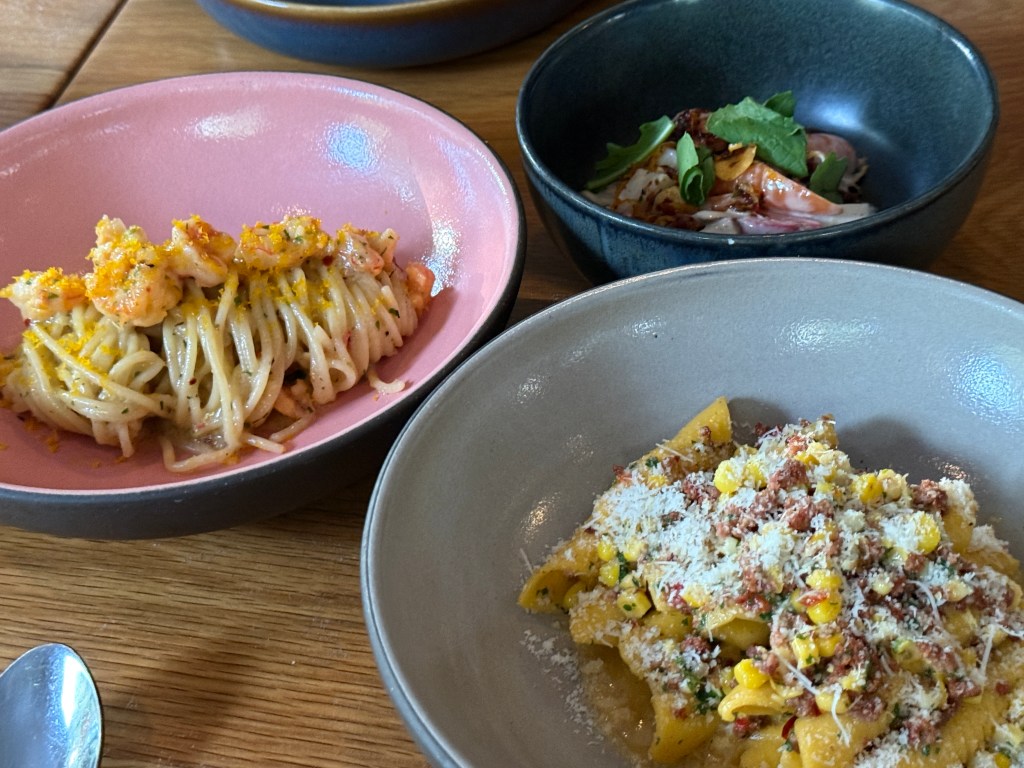
It was the third multi-course tasting menu I’ve had so far this year, following meals at the two-Michelin-starred Wolf’s Tailor and Johnny Curiel’s likely soon-to-be-starred Milpero. And on nearly every level, each dish coming out of Forage stood toe-to-toe with both. The crayfish curry was both visually stunning and satisfyingly complex. The candle dripping hot beef tallow for dipping the house-made sourdough was a creative triumph. And a dessert inspired by the Colorado wildfires turned something inherently ugly and destructive into a beautiful and delicious celebration.
That isn’t supposed to happen in Breckenridge. Aspen, sure. Vail, maybe. But Breck?
While it’s long served as Summit County’s best option for a fancier night out, Breck has largely lived in the shadow of more glamorous zip codes on the other side of Vail Pass — the Ralph Lauren to their Gucci, so to speak. As a result, the town’s food scene has had time to evolve outside of that dumb-money spotlight, catering more to the in-the-know than the want-to-be-seen.
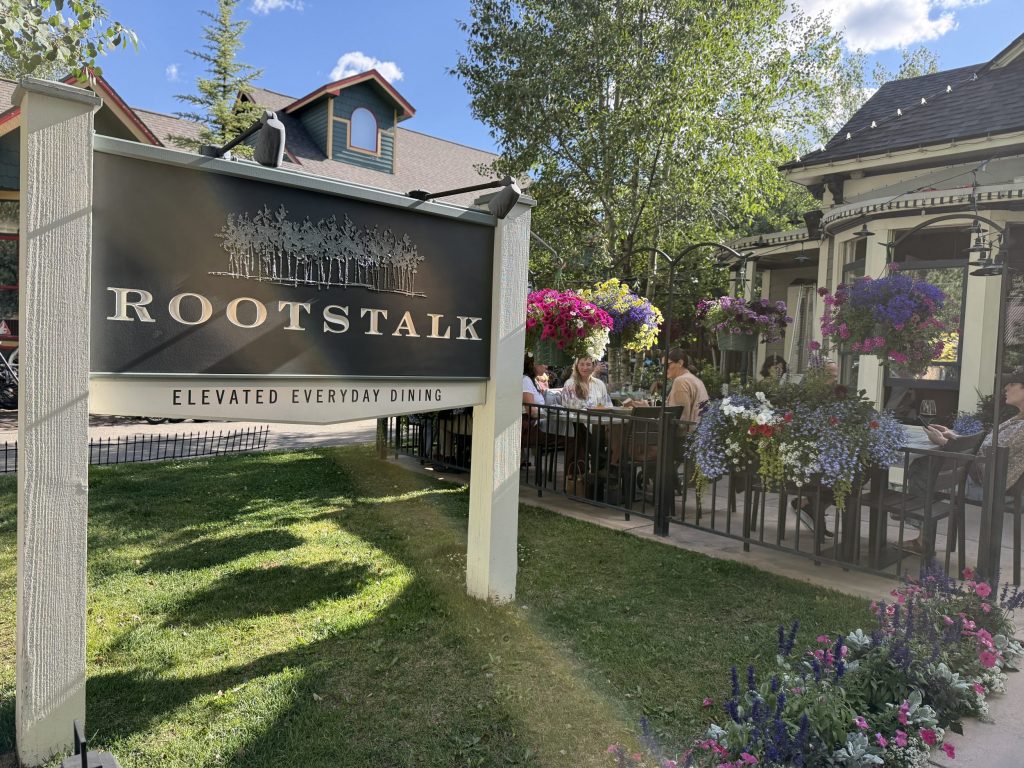
Times have certainly changed — and the source of that change, as well as the answer to my incredulous opening question, is located just down the street at chef Matt Vawter’s Rootstalk.
Antony Bruno
Seed of change
When Vawter established Rootstalk, his goal was to create a place where local chefs could level up their skills while still living the mountain lifestyle, something he was unable to do as a rising young chef. Vawter grew up in Summit County and worked at what passed for the area’s best restaurants since he was a teen. But, like many locals, he found there was a limit to the opportunities mountain towns could provide.
“I enjoyed my lifestyle,” he says. “I was skiing 100 days a season. I was mountain-biking all summer. I enjoyed the view every morning when I woke up. But professional opportunities didn’t exist to get me to where I thought I was capable of getting, and so I moved to the city.”
He spent 13 years in Denver, first at Alex Seidel’s Fruition and then partnering with Seidel on Mercantile, where he served as chef de cuisine and executive chef. Vawter returned to Breck during the pandemic, first opening Rootstalk in 2020 and two years later adding the esteemed Italian restaurant Radicato just down the street.
In 2024, he put Breck on the map by earning a James Beard Award for Best Chef: Mountain, just six years after his mentor Seidel won Best Chef: Southwest in 2018. This past December, he partnered with more award-winning restaurateurs to add the bakery and cafe, Threefold.
Armed with both success and accolades, Vawter has turned his attention to serving the community he grew up in by training chefs, supporting local farms, and giving back to the community that raised him.
“A lot of people in this community invested in me and gave me mentorship,” says Vawter. “I wouldn’t be where I am today without that. And I believe that it’s our job with the next generation to provide that same place to learn, to grow, to make mistakes, to get picked back up. And if that means they go open a restaurant across the street, awesome.”
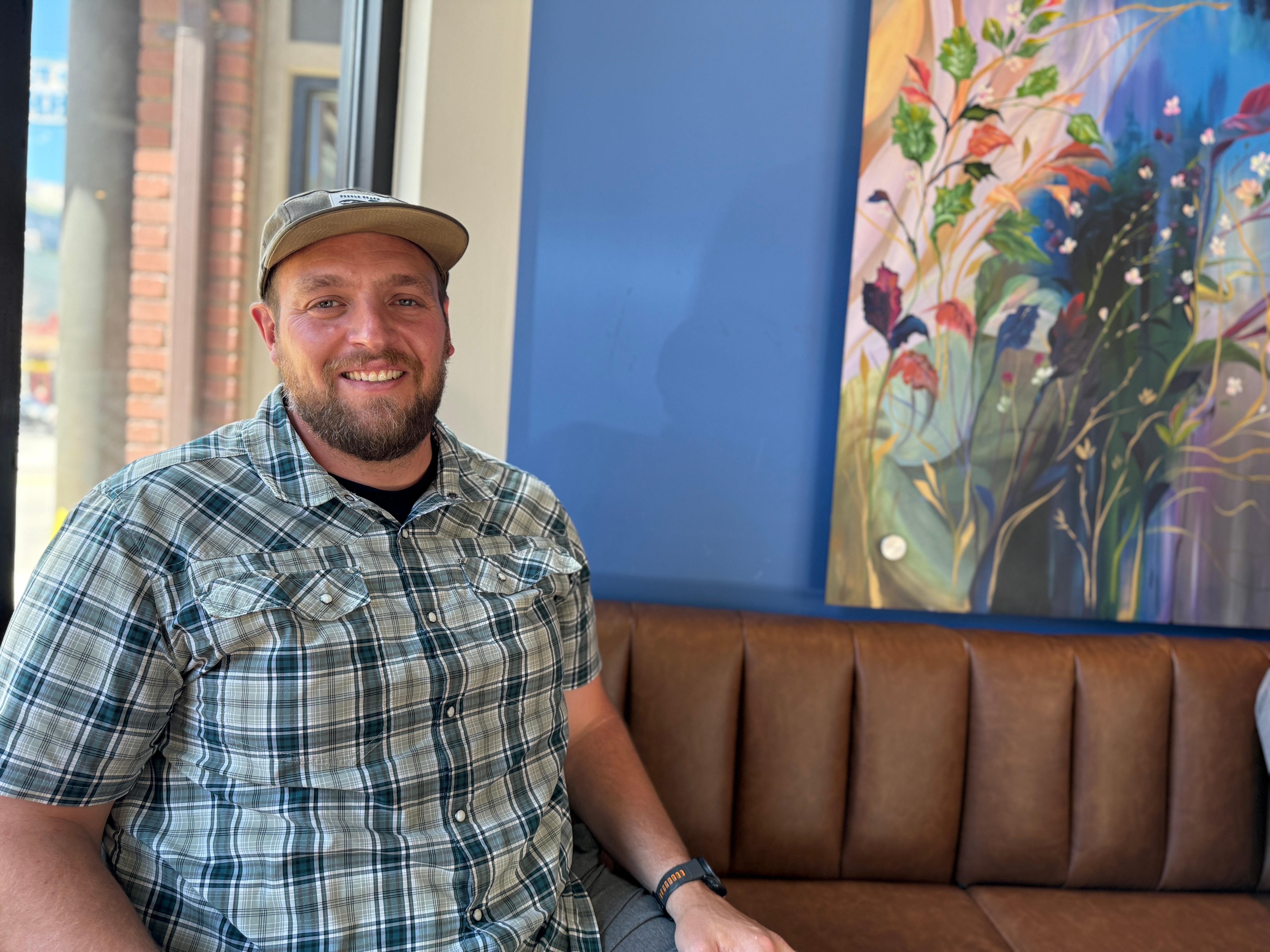
He’s referring to Forage chefs Austin Maki, his brother, Jake, and Jacob Tracy, all of whom worked in Vawter’s Breckenridge restaurants.
Yes, Chef!
Austin Maki was one of Vawter’s first kitchen hires and worked his way up over five years at Rootstalk to sous chef. His brotherJake also trained in the Rootstalk kitchen, but today lives in Denver and commutes five days a week to Forage in a car that Vawter sold him. And Tracy worked for Vawter for a year.
Having such talented chefs choose to stay in Breckenridge and open a restaurant there without sacrificing career opportunities makes Vawter one of Forage’s biggest supporters.
“I’m happy that restaurant’s open,” he says. “It just creates better diversity for what’s going on in Breckenridge. I hope they crush it all day. I hope they fill those 16 seats every night.”
Antony Bruno
Farm to table
When Vawter moved back to Breck, 90% of the food restaurants used came off a Shamrock truck. Now, there’s a far tighter farm-to-table distribution system. Fruits from Palisade. Beef and lamb from Fitch Ranch Farms or Elysian Farms. And greens galore from Esoterra Culinary Garden.
For Vawter, this is more than just sourcing quality ingredients for the plate. He wants to use his position as a chef to make purchasing decisions that support the mountain culinary community at large.
“You start with the best ingredients, you make the best food,” he says. “That’s all great, but the impact down the line is more important to me. To see farmers succeed and not go out of business and build their farms bigger and get more grants and get more land and be able to put more food on people’s plates in our state, that means more to me than just a great ingredient for sure.”
Antony Bruno
Community first
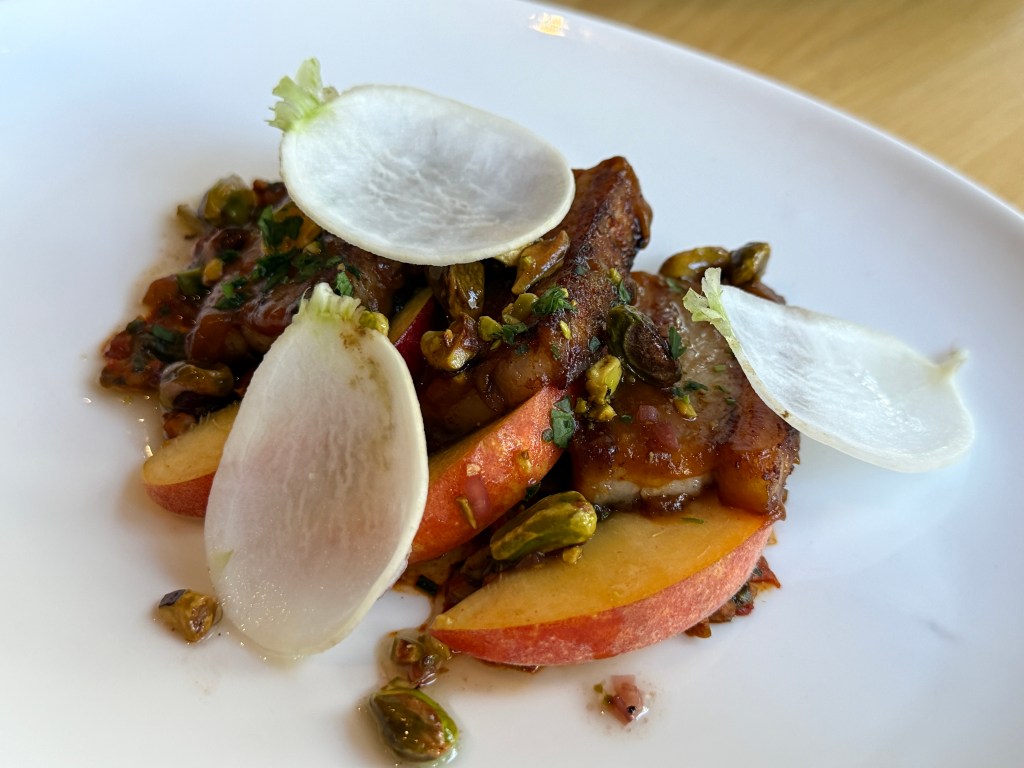
The most interesting and insightful item on the menu at Rootstalk isn’t the 10-gram caviar appetizer ($35), the cured salmon and beets ($26) or the pork belly with peaches, turnip and muhammara ($25) … although that is a banging dish. It’s a happy-hour burger and fries for a remarkably affordable $12.
“When I opened Rootstalk, I just wanted to serve good food for the community,” Vawter says. “It hasn’t really shaken out that way. I wanted it to be about the community first, and the tourists second.”
But to survive, restaurants have to cater to tourists. Typically, rich tourists and their tourism dollars are the backbone of the mountain economy. The result is a boom-and-bust pattern, where restaurants are packed seven days a week during the ski season, then empty in the off-season. So pricing is often geared towards tourists shelling out $25,000 for a ski vacation, not locals living four to a room in Alma.
“Rootstalk has a price point. Radicato has a price point,” Vawter says. “They’re expensive, and I’m not going to apologize for that. We source really responsibly, and we charge what we have to charge to make that equation work. But this, to me, was, like, how do we create something that’s truly every day?”
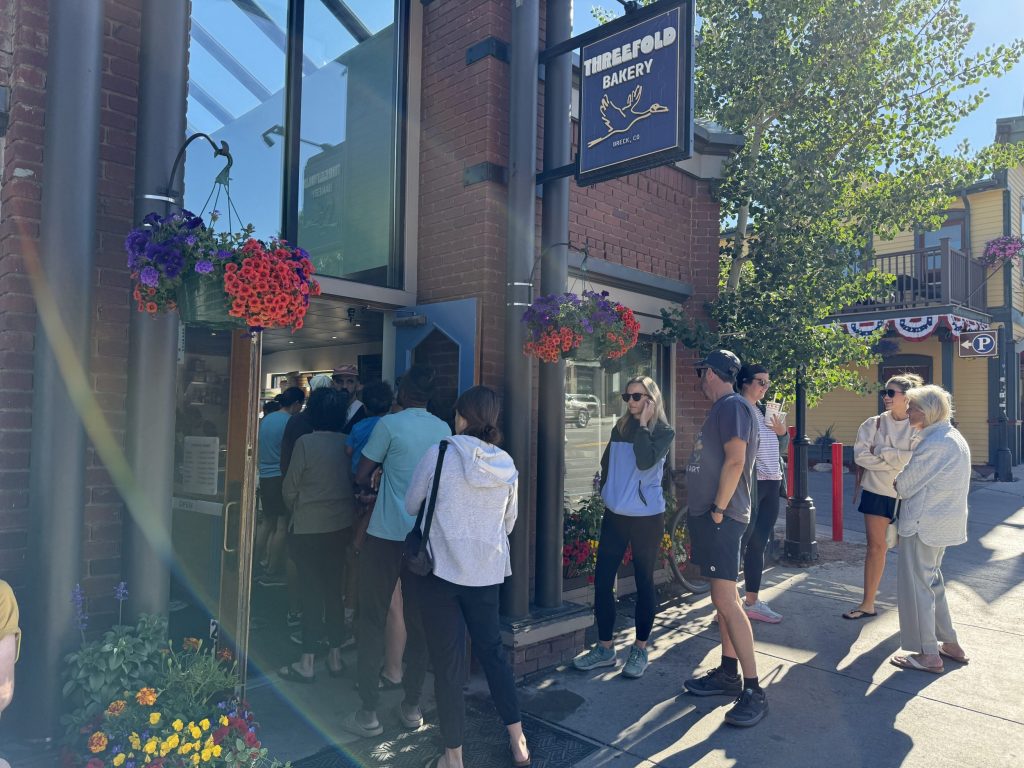
He believes he’s created that connection through Threefold, the bakery that Vawter opened with his two friends from Healdsburg, Calif.: Sean McGaughey, who managed the three Michelin-starred SingleThread, and his wife, Melissa, a former Food Network Holiday Baking Championship winner.
With treats like kouign-amann and pain au chocolat alongside daily staples like plain croissants and a line of sourdough loaves and baguettes, Threefold rightfully appears on the must-visit list tourists read before coming to town. But Vawter built it for the locals first.
“To see people come in here three days a week and just pick up a loaf of bread that they’re taking home and eating for the entire week, that means something,” he says. “To see kids that go to school with my kids that have their brown bag lunches with sandwiches that their parents made on our bread; that’s putting good food in people’s mouths. That means the world to me.”
In a fair world, Breckenridge may continue to grow and evolve free of the performative dining spectacle that defines more expensive mountain towns. But with the Michelin Guide now expanding its coverage to the entire state, we face a very real possibility that one, or even two, establishments in town could earn a star, recommended, or Bib Gourmand nod.
If and when that happens, the traffic, the lines, and the reservations may turn Breck into a different place than it is today. So if you haven’t been yet, now may be the best time … before it’s too late.