
Jeff Fierberg

Audio By Carbonatix
Any restaurant professional will tell you one of the best ways to get the most out of your dining experience is to order the right dish at the right time. Often, that means ordering with the seasons to take advantage of the freshest produce available.
But the weather this spring has been particularly sporadic — not just in Colorado, but nationwide. Deep freezes in Florida. High winds in Hawaii. And let’s not even get started on what’s been happening in this state.
The weird weather has narrowed windows of availability for many of the more iconic, early-season ingredients chefs love. Don’t blink, or you might miss out on items only available at their peak once a year. In some cases, we’re talking a matter of weeks.
Although the clock on spring is definitely ticking down fast, there’s still time to keep an eye out for seasonal ingredients that are at their best this time of year. So next time you’re eating out and trying to decide what to order, here are a few items worth looking for on local menus.
Ramps

Jeff Fierberg
Nothing screams “spring” like ramps, a rare treat in Colorado. That’s because ramps don’t grow here, and are almost impossible to cultivate. The leafy wild garlic — sort of a cousin to others in the allium family like scallions, onions, and leeks — prefers a swampy environment that requires foraging to collect. You won’t find them in consumer markets, and even restaurant chefs can have trouble tracking them down.
“No one’s ever really been able to pin down where they’re going to show up or what the yield will be,” says chef Harrison Porter of Bear Leek, who is featuring ramps across his menu until the end of May. “We’ll get like 10 to 20 pounds at a time, and we try to preserve them as much as we can.”
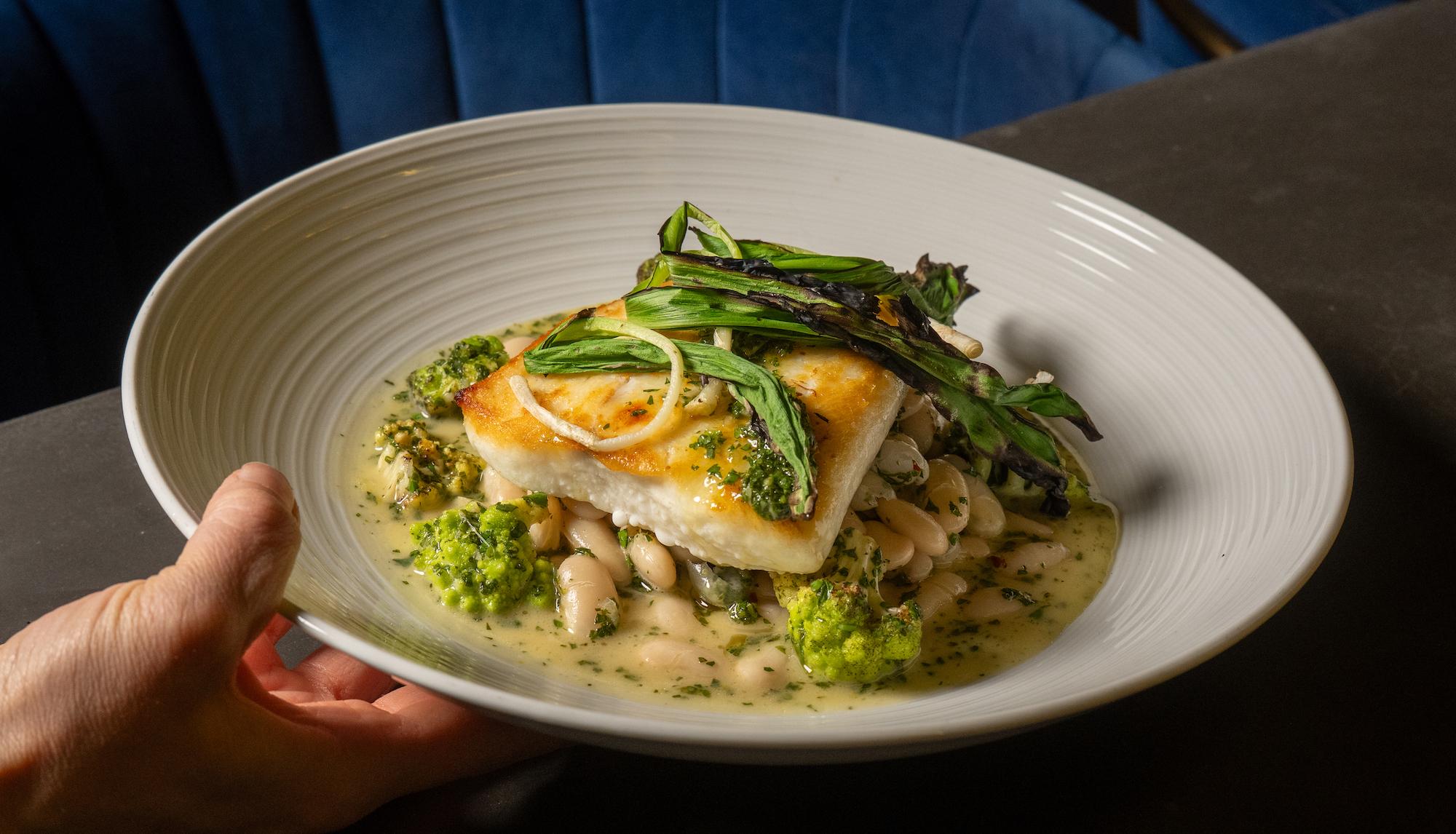
At $35 a pound this year, ramps aren’t cheap — so chefs tend to use every part of them in as many preparations as possible. At Bear Leek, that includes grilling the leaves to place atop halibut, pickling the bulbs for use in a “ramptini,” and dehydrating them into a powder for the restaurant’s bread-and-butter plate.
By the end of May, they’ll be gone.
“I think there might be a couple of weeks left, but it’s really like a solid month when they’re worthwhile,” Harrison says. “It’s such a short window.”
Morels
stephaniekellyphoto
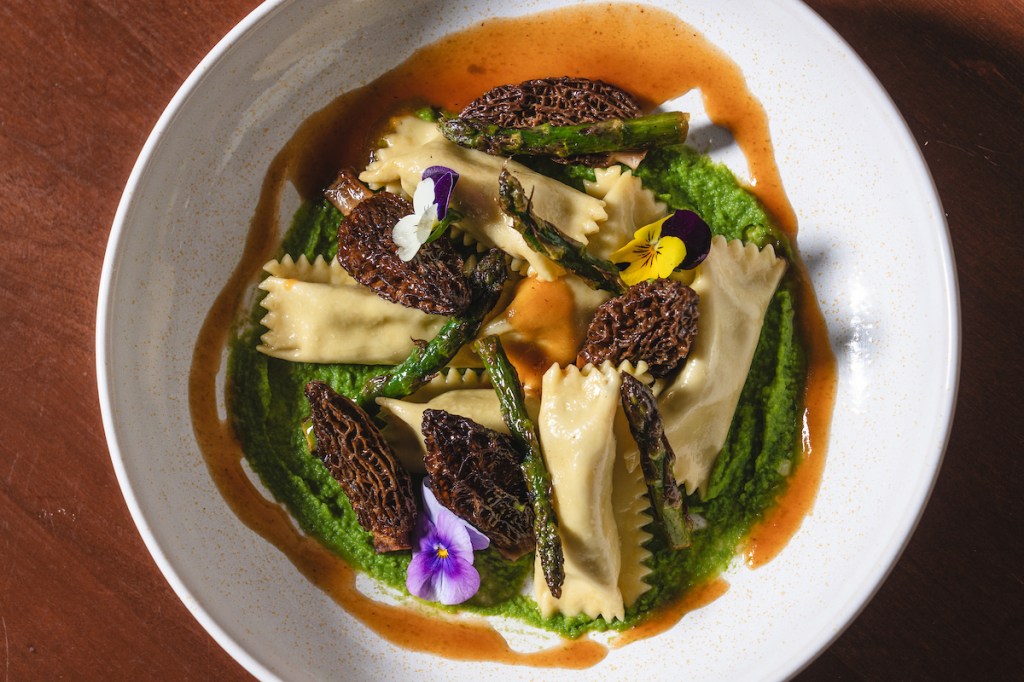
Morels are one of a handful of mushroom species that can’t be cultivated because they require a mycorrhizal connection with the roots of particular trees. So, like ramps, they are only available through foragers, turning availability into a hit-or-miss game. This year is a particular challenge, due to a lack of the specific conditions morels need to grow.
“You need to have a fire burn, a good amount of snowpack, and then some rain and cooler conditions to get a good yield,” says Mac Paranto of Cannolo Family Farms, a mushroom cultivation outfit that last year acquired both the farm and forager relationships of Mile High Fungi. “With how dry the winter has been, we’ve been struggling to see them at a viable amount, at least locally.”
According to chef Justin Fulton at Margot, restaurants will often get morels in waves, spiking in abundance and then dipping to nothing. And since mushrooms have a relatively short shelf life, chefs need to find a way to use them all before they dry out.
“When they pop, they come in a plethora and you can go so hard with morels for a period of time,” Fulton says. “You go from morels, and then it’s porcini season, or maybe you’ll see chanterelles. We’re always just waiting around.”
A far less common mushroom to watch for are the locally grown bolete mushrooms, known as porcini in Italy. They grow in the area around Telluride, and only rarely make the menus of the few restaurants that have personal relationships with foragers who collect them.
“We only see them for probably about a month, like right now, in the shoulder season of the spring,” says Paranto. “There’s a lot of local foragers who have close relationships with chefs, so they’ll probably be run as a special, I would imagine. But they’re going to be in very low quantities.”
White Asparagus
Jeff Fierberg
Yes, green asparagus is a common sight at grocery stores and on restaurant menus year-round, thanks to industrial farming operations. But the vegetable’s best expression comes in the spring, when it’s harvested naturally.
“When it gets hotter, it’s harder to develop the asparagus,” Fulton says. “We would never serve asparagus after the spring, unless it’s preserved.”
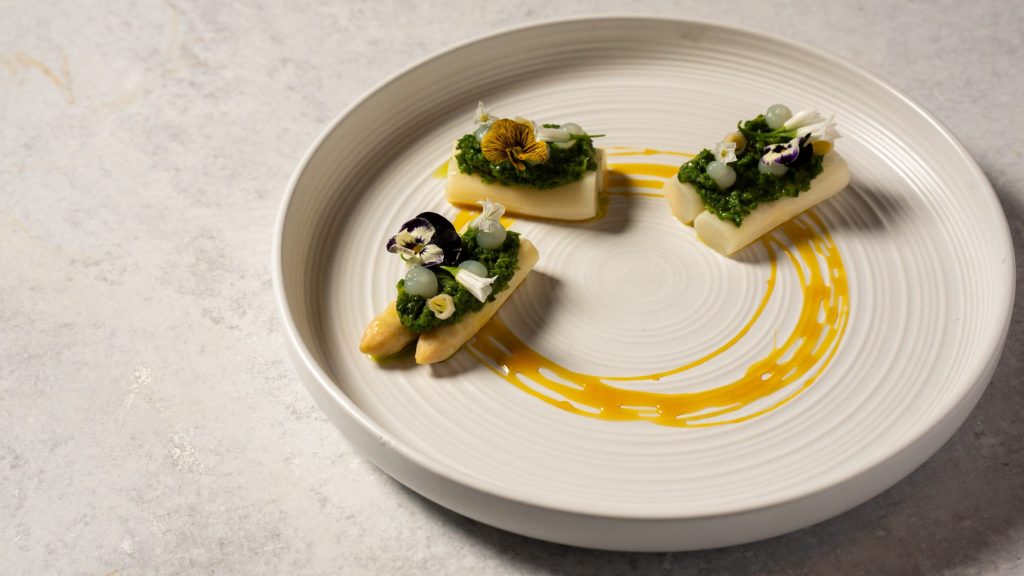
That’s why Fulton likes to emphasize white asparagus, which requires a growing process too finicky for industrial operations to bother with. At Margot, you’ll find it blanched, glazed with butter, and served with a green garlic pistou (like a pesto but without the nuts), pickled garlic bulbs, trout roe, and an egg jam seasoned with soy sauce.
“It’s a superior product that you can’t find stateside,” he says. “It’s about a two-month season that’s super celebrated in Belgium and all over Holland and France. Everyone is just going insane for white asparagus right now.”
If you’re looking for a more local source of asparagus this spring, restaurants like Wildflower source fresh stalks from farms in Pueblo.
“Asparagus from Pueblo started a few weeks ago,” says Wildflower chef Aiden Tibbetts, who says our local asparagus is better than that sourced by even the bistros of France. “Outside of spring months, you probably shouldn’t be eating asparagus.”
Rhubarb
Courtesy of Wildflower
The red, celery-like stalks of rhubarb can be a polarizing ingredient for many diners. But chefs love rhubarb, as it can be used in both savory and sweet preparations. Peak supply typically runs from April through June, and according to Tibbetts, this year is a particularly good crop.
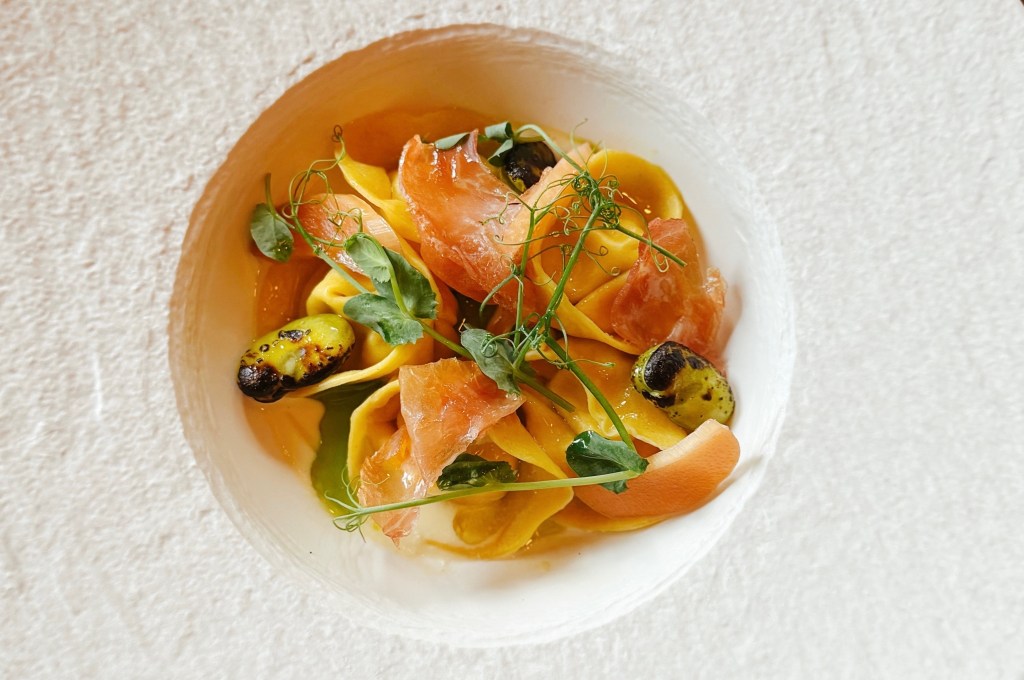
“That’s one of the really hardy crops that we can keep around, and they’ve done pretty well this year,” the chef says. While he just took rhubarb off the dessert menu, pickled rhubarb is still a key component of the artichoke tortellini he’s currently serving.
But as it gets hotter, even the hardy rhubarb will start to thin out on restaurant plates.
“It’s too hot, too, too early in the season,” Tibbetts says. “Those plants will start going to seed, and people will have to stop harvesting them.”
Other Ingredients to Watch for
Kelly Calvillo
Other spring produce includes fava beans and English peas; while the latter are often seen year-round, chefs avoid using the late-season fare. Says Tibbetts: “Can you find peas year-round? Yes. Do you want to use them year-round? I don’t.”
More exotic or less common ingredients include stinging nettle (often used in pestos) and miner’s lettuce (a very expensive green also known as winter pursalene).
But when you’re trying out seasonal fare, don’t limit yourself to these items alone. Chefs are constantly getting in new produce from new purveyors and farmers, and finding fun and creative uses for these ingredients. That’s why you should also ask your servers for suggestions; they’re trained to highlight menu items that may be leaving soon, or that are in particularly peak season at the moment.
Just do it soon if you want to sample any of the ingredients mentioned here. Because by next month, they’ll likely be gone, replaced by the next round of fresh produce entering the kitchen.