Danielle Lirette

Audio By Carbonatix
The restaurant scene is ever-evolving, but some closures hit harder than others.
This year, we finally got confirmation that Benny’s really isn’t coming back, and we said goodbye to longtime favorites like Fruition, Lao Wang Noodle House, Mercury Cafe and Pete’s University Park Cafe.
As we report on the closures, we reminisce about the long-gone meals we wish we could have again, from big bowls of mussels at Solera and poutine at Euclid Hall to the half roasted pig’s head at the daring but short-lived Rebel and burgers at Griff’s.
Some spots we long to go to again closed in recent years, like Old Major, Annie’s Cafe, the Saucy Noodle and its neighbor, Bonnie Brae Tavern, while others like Baby Doe’s, Cliff Young’s, Pagliacci’s, Tante Louise and Trail Dust Steak House, known for its indoor slide and tie-cutting shtick, are long gone.
So even as we look forward to the notable new spots set to open this winter, we’re looking back at some of the places we miss the most:

Janie and Mel Master in Paris before they passed.
Courtesy of Charlie Master
Mel and Janie Master restaurants, ’70s-’90s
“If I were to carve a Mount Rushmore of restaurateurs from the history of Denver dining — but in particular the ’80s and early ’90s — the figures might include Cliff Young, Corky Douglass, Thoa Fink, Noel Cunningham or Blair Taylor. Definitely Melvyn Master,” wrote Bill St. John in 2023 as he memorialized the lives of Mel and Janie Master, a couple who made an indelible mark on the local culinary scene. “The Masters’ many years in Denver, in clusters from the ’70s and into the ’90s, bejeweled the city’s dining scene with several restaurants including Dudley’s, Barolo Grill [still open under owner Ryan Fletter], Mel’s, Top Hat, Starfish and Bruno’s, with Mel nearly nightly framed in the proscenium of each.”
The couple’s culinary contributions paved the path for many others, and those who worked for them went on to open notable spots of their own, including the also-missed Solera, which chef Goose Sorensen closed in 2018.
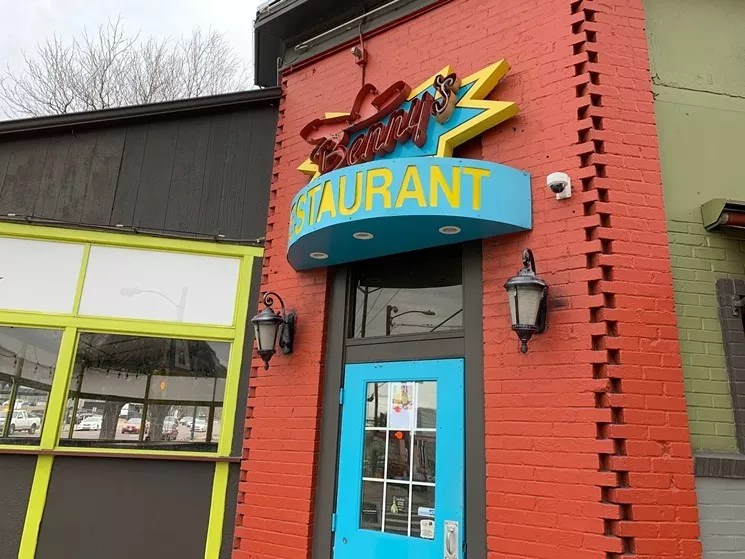
Benny’s never reopened after the pandemic shutdown in 2020.
Patricia Calhoun
Benny’s Restaurant & Cantina, 1987-2020
As restaurant dining rooms reopened following the mandatory COVID shutdowns in 2020 and 2021, the future of some remained a mystery, including Benny’s Cantina. Founded by legendary local cook Benny Armas in 1987, it was a longtime favorite for Mexican fare and cold margs in Capitol Hill. Though a possible comeback was teased in 2022, there were no further updates after that — until earlier this month, when the property at 301 East Seventh Avenue was finally listed “for sale or lease.”
What’s there now?
The Benny’s building is still standing, for now, and the real estate listing is still up.

Breakfast King shuttered in January 2022.
Molly Martin
Breakfast King, 1975-2022
Denver Diner, Tom’s Diner, Nick’s Cafe in Lakewood. The metro area’s diner scene has taken some big hits since the pandemic, but Breakfast King was mentioned by many Westword commenters as one of their most-missed spots. It opened in 1975 as a 24/7 eatery, then cut its hours after COVID hit. But hungry fans still filled the orange booths for chicken-fried steak and hot cups of coffee – until Breakfast King abruptly closed in January 2022.
What’s there now?
The space reopened as Mexican restaurant La Reyna Azteca in September 2024, but it only lasted a year, leaving the former home of this iconic diner — and its signature orange booths — vacant once again.
Le Central, 1981 to 2015
For 34 years, Robert Tournier’s Le Central charmed local diners who fell for its affordable French fare — something no other spot has truly delivered since it shut its doors over a decade ago. It was the kind of place that was equally appealing for a casual lunch or a romantic night out; throughout its run, it stayed true to its goal of serving good, inexpensive food, including the bowls of moules and frites that many still miss today.
What’s there now?
The space briefly housed another restaurant, Clyde, which closed in 2017. It is currently home to the Harm Reduction Action Center.
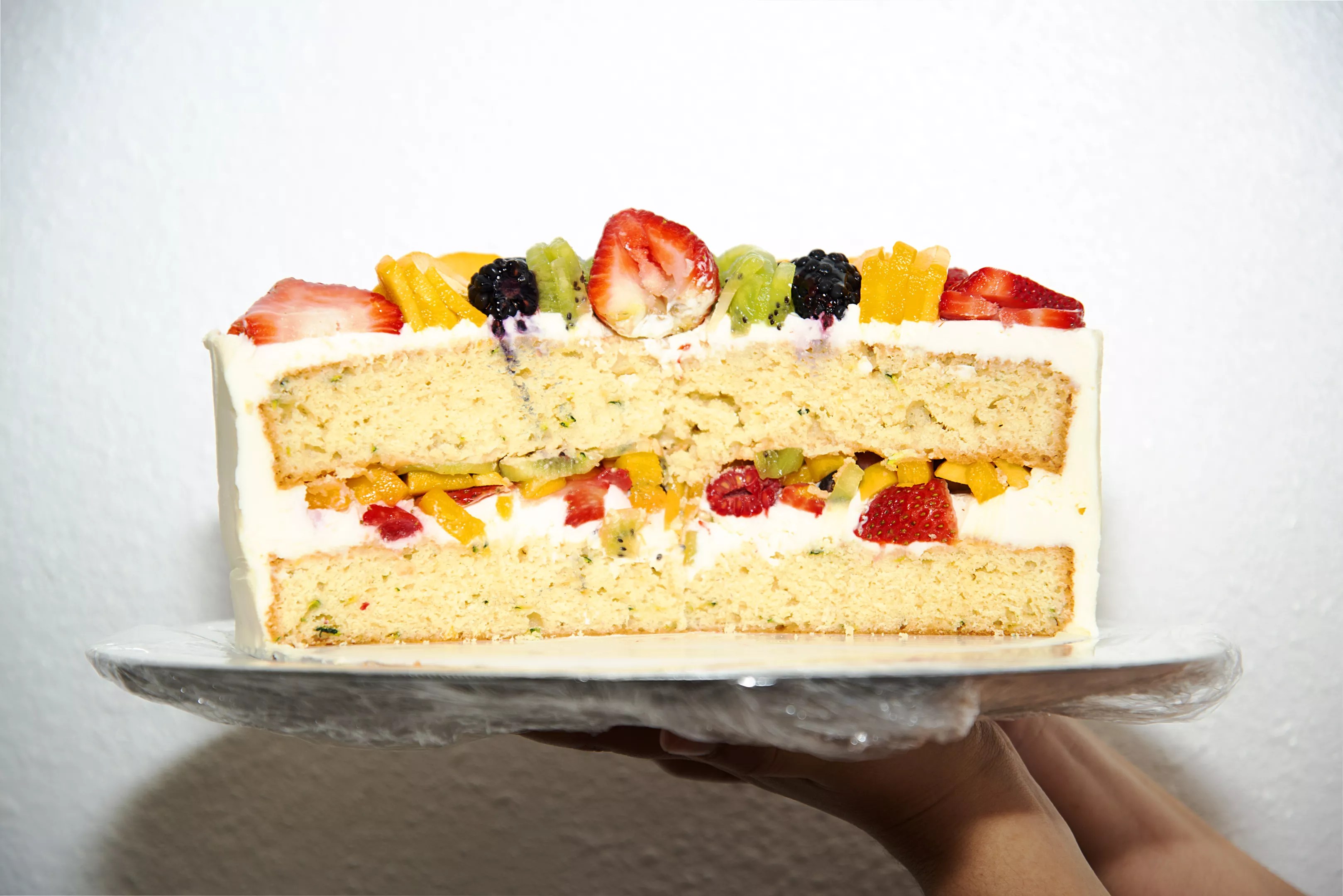
The Market’s Spring Fling cake lives on at two local bakeries.
Tom Hellauer
The Market, 1978-2020
First opened in 1978 by Larimer Square developer Dana Crawford as a small grocery store, the Market became the go-to spot that many Denver residents knew and loved after Mark Greenberg and his brother, Gary, took over the cafe in 1983.
The brothers always claimed that the Market had the first espresso bar between New York and Los Angeles, definitely making it the first in Denver — and long before any Starbucks opened here. The shop served as a bakery, deli and neighborhood gathering spot, stocked with Jewish deli sandwiches, whole cakes behind glass, an array of pantry goods and bins full of foil-wrapped chocolates and candies.
Larimer Square hasn’t felt quite the same since the Market said goodbye for good after the initial pandemic shutdown, but its beloved Spring Fling cake lives on at two local bakeries, Eternal Flavors and Lala’s.
What’s there now?
Garage Sale Vintage moved into the space in September 2023.
Patsy’s Inn Italian Restaurant, 1921-2016
The Italian immigrants who settled on the city’s Northside over a century ago made it a hotbed for red-sauce joints for decades. Many of those old-school spots are long gone — including Patsy’s, which was in business for nearly 100 years. The restaurant was originally called Aiello’s Italian Kitchen, but the name was changed to Patsy’s in the 1940s by then-owner George “Chubby” Aiello. He ran the place until 1997, and Patsy’s was out of the family for about nine years until Ron Cito and Kim DeLancey bought it in 2006, returning it to the extended Aiello family. Its end came when the couple retired, a decision spurned by health issues; Cito passed away in 2017.
What’s there now?
Acova, sister restaurant of the Hornet (which shuttered this year), opened in the space in 2018.
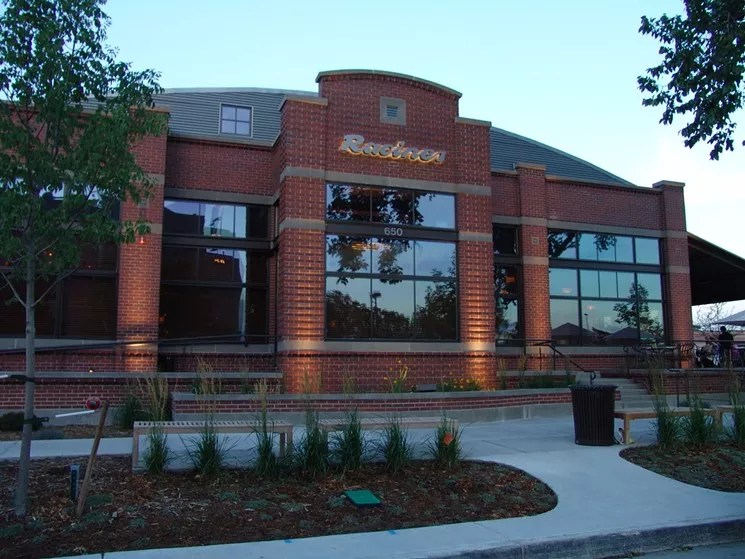
Racines never reopened after the mandated indoor dining shutdown in 2020.
Larry Laszlo
Racines, 1983-2020
Partners Lee Goodfriend, David Racine and Dixon Staples opened their first restaurant, Goodfriends, in 1979. They went on to open Racines at 850 Bannock Street and the downtown Dixons before finally building a replacement for the original Racines at 650 Sherman Street.
The all-American, all-day eatery served familiar and filling plates from dawn to dusk, attracting families, date-night couples and power-lunchers alike. Before COVID hit in 2020, Goodfriend and Racine (Staples had passed away) were eying retirement and already had a deal in the works and plans to close the restaurant in January 2021. While they initially planned a comeback from the unexpected indoor dining shutdown so that Racines could say goodbye, they ultimately decided not to reopen.
What’s there now?
The original Racines at 850 Bannock Street was demolished soon after the new one opened in 2003. The second Racines at 650 Sherman Street was demolished in 2021 to make way for a retail and residential development. Goodfriends and Dixons are both gone; their former homes house other restaurants.
Tom’s Home Cooking, 1999-2015
Being cash-only and lunch-only never stopped fans from lining up for a taste of the stick-to-your-ribs Southern eats at Tom’s. The menu rotated often, but diners could call a hotline for a daily recording of the lineup, which often included staples like copper-skinned fried chicken, peach cobbler, macaroni and cheese, and cornbread stuffing.
Owners Steve Jankousky and Tom Unterwagner put the restaurant up for sale in late 2015, and within two months, a sign on the door broke the news that Tom’s was gone for good.
What’s there now?
An outpost of local fried-chicken sandwich chain Birdcall.
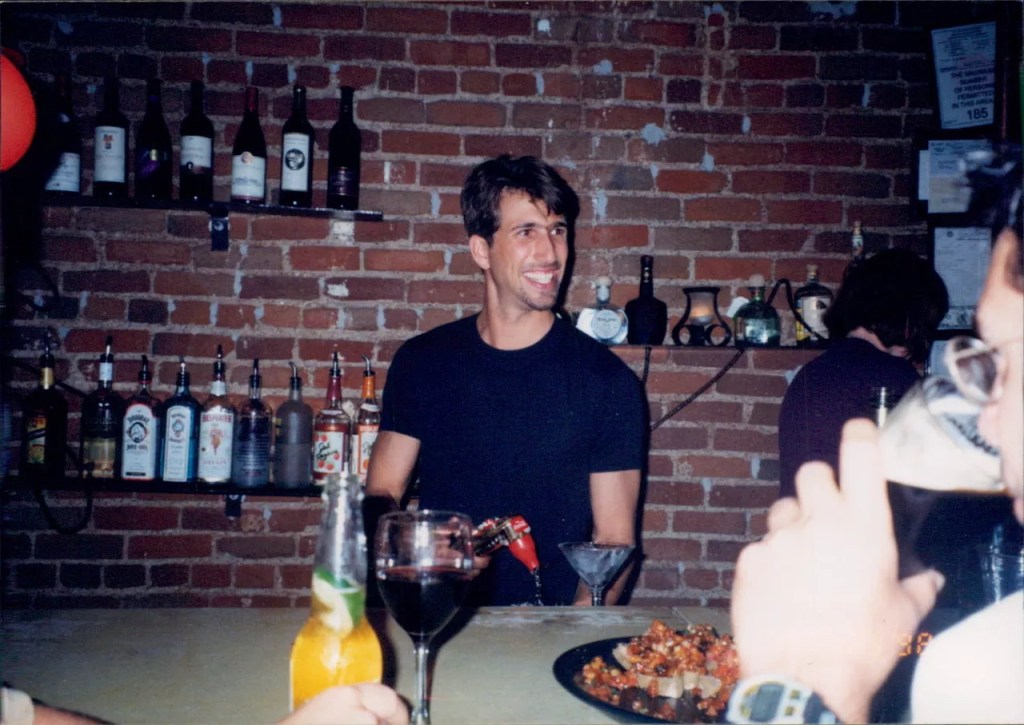
Courtesy Josh Wolkon
Vesta, 1997-2020
For more than twenty years, Vesta was the coolest kid on a block that the restaurant immediately made cool when it opened in 1997. Coors Field had opened only two years earlier, and the energy of LoDo was just beginning to make its way to the 1800 block of Blake Street. But Josh Wolkon, a 25-year-old University of Vermont alum who’d moved to Colorado from Boston and decided that he wanted to open a restaurant, landed on this spot.
It was the start of Wolkon’s Secret Sauce restaurant group (today comprising Ace Eat Serve and Steuben’s), as well as a training ground for many of the city’s best chefs, including the late Brandon Foster and Matt Selby. Wolkon was already contemplating ending Vesta’s run when COVID hit in 2020; that summer, Vesta said goodbye with a final fundraiser in Foster’s honor.
What’s there now?
After a brief run as gay bar Sir in 2022, the space reopened as nightclub Status Ultra Lounge on New Year’s Eve that year. Now, the space is empty once again after Status Ultra Lounge shut down in November.

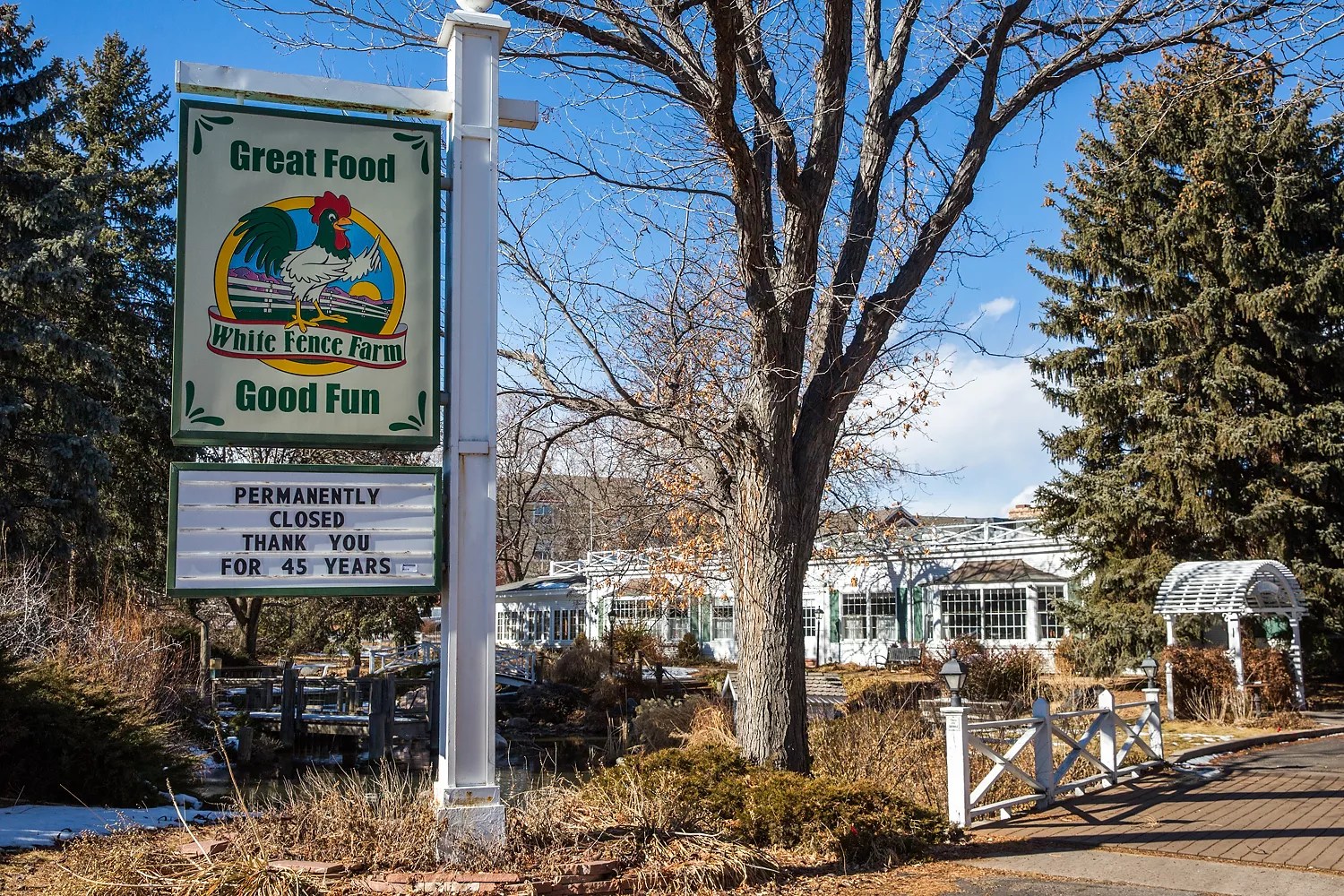
White Fence Farm was a tradition for many for 45 years.
Danielle Lirette
White Fence Farm, Lakewood, 1973-2018
An offshoot of the original White Fence Farm in Romeoville, Illinois (which remains open), this longtime Lakewood mainstay was more than just a restaurant — though it did serve some of the best fried chicken around, famously paired with sides such as hot corn fritters and pickled beets.
Founded by Charlie Wilson, a graduate of the University of Denver’s Hotel and Restaurant Management School who opened the tourist destination on his parents’ property, it included a gift shop, a petting farm, a playground, a duck pond, an entertainment stage and more for a weirdly wonderful experience that was particularly appealing to the young and young at heart.
New owners Tom Piercy and Craig Caldwell took the place over in 2014 promising no major changes, though they attempted to expand the brand with a series of fast-casual, takeout-only locations. Those didn’t last long, and by 2018, the labor cost of the hundred or so staffers it took to run the joint ultimately led to the decision to sell.
What’s there now?
The complex was torn down and the property redeveloped as White Fence Farm Apartments.